

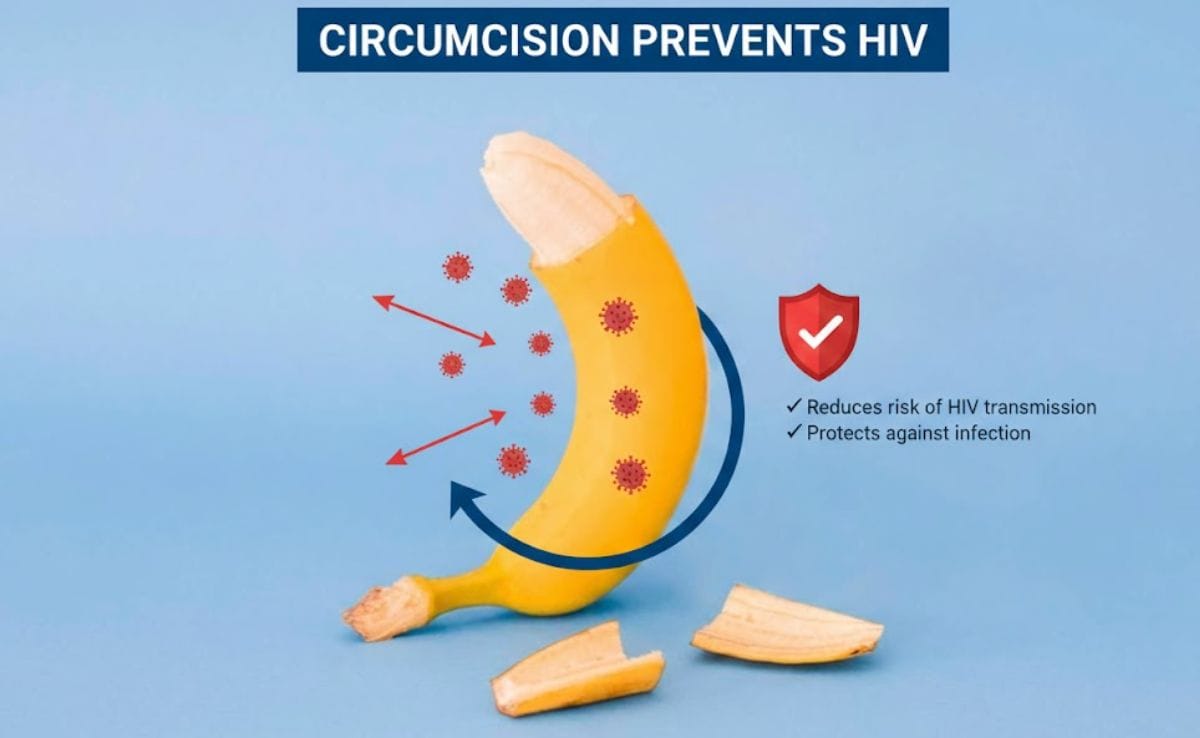
Circumcision prevents HIV by removing the foreskin, which contains immune cells that bind easily to the HIV and create microscopic skin openings that allow the virus to enter the bloodstream. Medical research has confirmed that this biological change significantly reduces male acquisition of HIV during sexual exposure.
Men in Malaysia increasingly seek clinical guidance on HIV prevention as infection rates remain concentrated among sexually active adults. For men exploring permanent protective strategies, adult circumcision as a medical HIV-prevention option has become part of integrated care alongside screening, antiviral treatment and sexual health counselling.
How Circumcision Prevents HIV at a Biological Level
Why The Foreskin Is The Primary Entry Point For HIV
The foreskin creates a warm and moist environment that allows viruses and bacteria to survive longer on the skin surface. Its inner lining is thin and less keratinised, which means it does not have the same protective barrier as the outer penile skin. This inner layer contains a high concentration of immune cells such as Langerhans cells, CD4 cells, and macrophages. These are the exact cells HIV attaches to when entering the body. During sexual contact, these cells are directly exposed to bodily fluids that may carry the virus, making viral entry easier.
The Role of Immune Cells In Viral Attachment
HIV uses specific receptors on immune cells to enter the bloodstream. The foreskin has a higher density of these target cells than other penile skin. This increases the chance that even small amounts of the virus can bind, enter the tissue, and begin an infection. Because the foreskin folds over itself, viral particles can remain trapped for longer periods, increasing exposure time.
How Foreskin Removal Reduces Viral Binding and Microtears
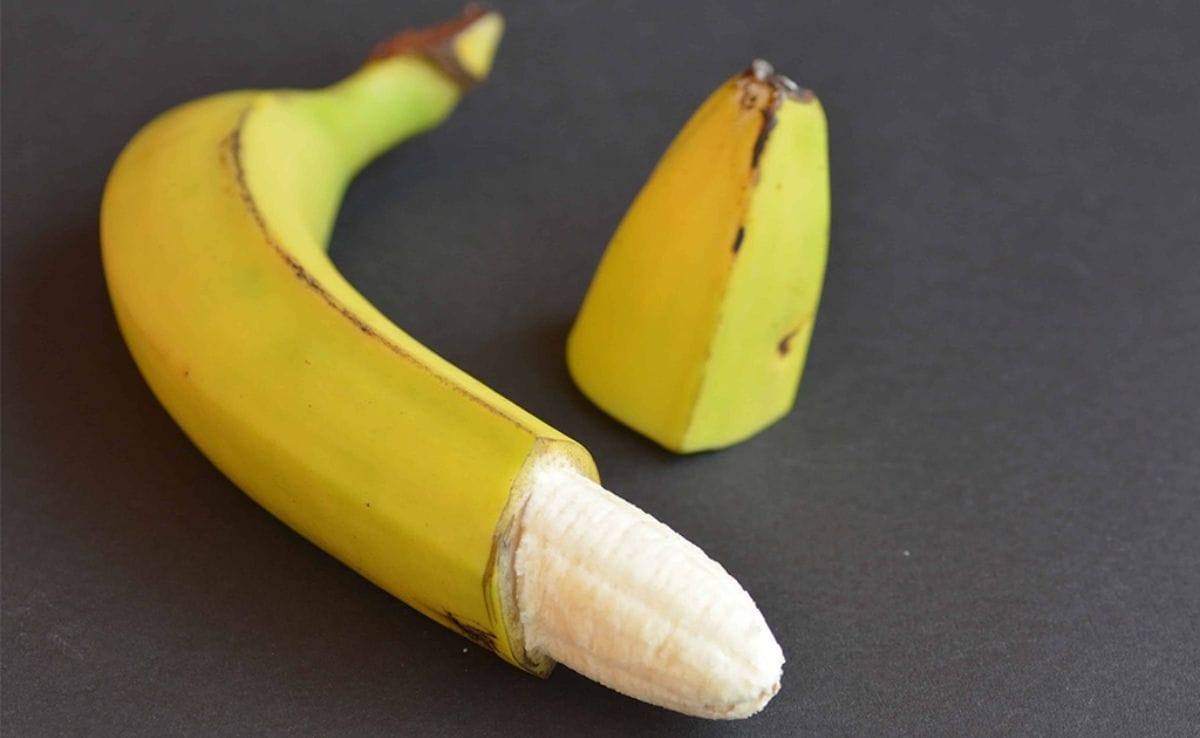
Circumcision removes the most vulnerable tissue where viral attachment is most likely to occur. After healing, the remaining penile skin becomes thicker and more resistant to friction-related microtears. These microtears are tiny breaks in the skin that allow viruses direct access to blood vessels. Thicker, drier skin forms a stronger physical barrier that makes viral penetration more difficult.
Why Are Circumcised Men Less Likely to Have Lower Genital Inflammation
Chronic moisture under the foreskin encourages bacterial imbalance and ongoing low-grade inflammation. Inflammation attracts immune cells to the skin surface, increasing the number of cells that HIV can infect. Removing the foreskin improves airflow and reduces moisture buildup. This leads to lower bacterial load, reduced inflammation, and fewer target immune cells at the skin surface, lowering overall susceptibility to HIV infection.
How Circumcision Prevents HIV During Sexual Activity

Microabrasions, Semen Exposure, And Viral Load Dynamics
During sexual activity, natural friction places stress on the foreskin, which is thinner and more delicate than the rest of the penile skin. This friction can cause microscopic tears that are not visible. These tiny openings allow viruses to pass directly into the bloodstream. Semen and vaginal fluids can remain trapped under the foreskin after intercourse, which prolongs contact time between HIV and vulnerable skin cells.
Male-to-Female Transmission Risk
For men living with HIV, circumcision can lower the amount of virus present on penile skin surfaces. When viral load is well controlled with treatment, this reduction can decrease the chance of passing the virus to female partners. Improved genital hygiene and lower inflammation after circumcision also support a healthier skin barrier that limits viral shedding.
Male-to-Male Transmission Context
Circumcision offers the greatest benefit for men who are the insertive partner during sex. The thicker, drier penile skin provides a stronger barrier against viral entry. Men who are receptive partners remain at higher risk because rectal tissue is highly vulnerable to HIV, which makes condoms, regular testing, and medical prevention strategies essential.
I Am Circumcised — Can I Still Get HIV?
Circumcision lowers the chance of HIV entering through the foreskin, but it does not block all possible entry points. HIV can still enter through the urethral opening at the tip of the penis and through rectal or oral tissues during certain types of sexual contact. This means circumcision reduces risk, but it does not provide complete protection.
High-Risk Behaviours That Override The Circumcision Benefit
Unprotected sex remains the strongest risk factor for HIV transmission. Having multiple sexual partners increases the chance of exposure, especially when partner status is unknown. Untreated sexually transmitted infections cause inflammation and skin damage that make viral entry easier, which can cancel out much of the protection gained from circumcision.
What Does Circumcision Not Protect Against
Circumcision does not protect against HIV transmitted through shared needles, contaminated blood, or other forms of direct blood exposure. It also does not replace the need for condoms, testing, or medical prevention strategies such as PrEP.
 English
  Malay
Malay  Chinese