


Erectile dysfunction is one of the most common men’s health concerns in the world, yet it remains one of the most misunderstood. Many men assume it’s a permanent condition they simply have to live with. The truth is more nuanced, and in many cases, far more encouraging than that.
Whether erectile dysfunction is reversible depends almost entirely on what’s causing it. For some men, addressing the root cause can restore normal function completely. For others, ongoing ED treatment may be needed to maintain sexual health and quality of life. Either way, the outlook is rarely as bleak as it feels in the moment.
This guide breaks down the most common causes of erectile dysfunction, what the research tells us about reversibility, and where to turn when you’re ready to take action.
What Is Erectile Dysfunction, Exactly?

Erectile dysfunction is defined as the consistent inability to achieve or maintain an erection firm enough for satisfactory sexual activity. The key word here is consistent — occasional difficulty is entirely normal and not a cause for concern.
ED becomes clinically significant when it happens regularly, causes distress, or affects your relationship or self-confidence. At that point, it’s worth investigating why it’s happening, because the cause shapes everything, including how treatable it is.
The Main Causes of Erectile Dysfunction
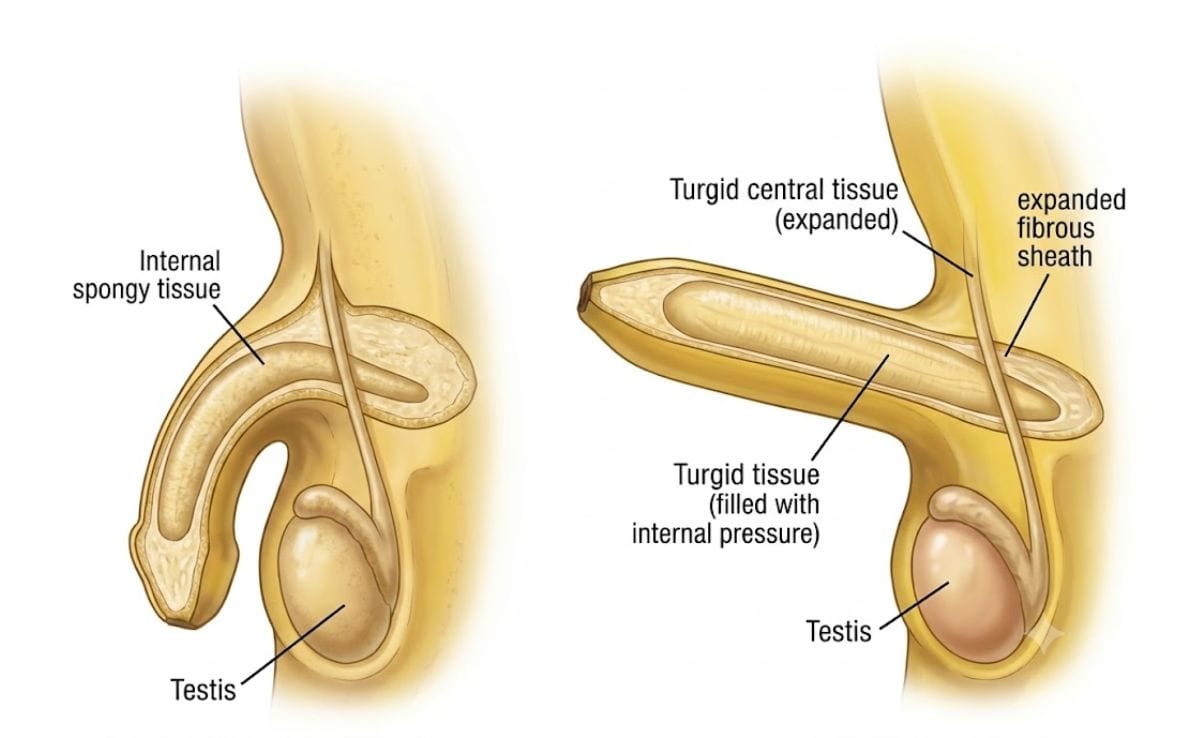
Understanding the types of ED starts with understanding how erections work. An erection is the result of a complex chain of events: psychological arousal triggers nerve signals, which cause blood vessels in the penis to dilate, allowing blood to fill and firm the erectile tissue. A disruption at any point in that chain can interfere with the process.
Physical (Vascular) Causes
The most common physical causes of erectile dysfunction involve blood flow. Conditions like atherosclerosis (hardening of the arteries), high blood pressure, high cholesterol, obesity, and type 2 diabetes can all restrict circulation to the penile tissue.
Reversibility here depends on how advanced the underlying condition is. Men who make meaningful lifestyle changes — losing weight, quitting smoking, exercising regularly, improving diet, controlling blood sugar — often see significant or even complete improvement in erectile function. In this sense, ED can serve as an early warning sign for cardiovascular disease, making diagnosis an opportunity rather than just a setback.
Hormonal Causes
Low testosterone (hypogonadism) is a well-established cause of reduced libido and erectile dysfunction. Other hormonal imbalances, including elevated prolactin or thyroid dysfunction, can also interfere with sexual function.
When a hormonal cause is identified and treated, ED is often highly reversible. Testosterone replacement therapy and other hormonal interventions can restore function in many cases, particularly when the imbalance is the primary driver.
Neurological Causes
Nerve damage from conditions like multiple sclerosis, Parkinson’s disease, spinal cord injury, or surgery (such as prostatectomy) can impair the nerve signals that initiate erections. This type of ED tends to be more persistent and may not fully reverse, though ED treatment can still provide meaningful improvement and restore intimacy.
Medication-Induced ED
A frequently overlooked cause worth raising with your doctor: certain medications, including some antidepressants, antihypertensives, antiandrogens, and opioids, can cause or worsen erectile dysfunction as a side effect. This form of ED is often highly reversible once the medication is adjusted or changed under medical supervision.
Psychological and Lifestyle Causes

Not all erectile dysfunction is physical. Psychological causes account for a significant proportion of cases, particularly in younger men.
Performance Anxiety and Stress
A single episode of ED triggered by nerves, fatigue, or a stressful period can create a cycle of anticipatory anxiety that perpetuates the problem. The brain’s fear response constricts blood vessels, which is the opposite of what’s needed for an erection.
Psychological ED is among the most reversible types of ED. With the right support, whether through therapy, stress reduction, or sex-positive counselling, many men recover fully without any medical intervention.
Relationship and Emotional Factors
Unresolved tension, lack of intimacy, poor communication, or emotional disconnection with a partner can all manifest as erectile dysfunction. Couples therapy and open conversation often go further than any prescription.
Lifestyle Factors
Excessive alcohol, recreational drug use, chronic sleep deprivation, and sedentary behaviour all suppress erectile function over time. These are also among the most actionable causes — lifestyle changes can produce noticeable improvements within weeks to months, which is meaningful reassurance for men who are otherwise healthy.
Is Erectile Dysfunction Reversible?
The honest answer is: it depends on the cause. Below is a straightforward breakdown of what the evidence generally suggests for each category.
Cause | Reversibility Outlook |
Lifestyle factors (weight, smoking, alcohol) | Often fully reversible |
Psychological or anxiety-based | Often fully reversible |
Hormonal imbalance | Often reversible with treatment |
Medication side effects | Often reversible with adjustment |
Vascular disease (mild to moderate) | Partially to largely reversible |
Nerve damage or post-surgical | Partial improvement possible |
Advanced vascular or neurological disease | May require ongoing ED treatment |
The earlier you seek help, the better your chances of full recovery. ED that has been present for a short time in an otherwise healthy man is far more likely to resolve than long-standing dysfunction in someone with multiple underlying health conditions.
ED Treatment Options: What Works?

Knowing the cause of erectile dysfunction is the foundation of effective ED treatment. A one-size-fits-all approach rarely produces the best outcomes. At He Medical Clinic, treatment is tailored to your specific situation after a thorough clinical assessment.
The most common treatment pathways are outlined below, ranging from non-invasive lifestyle changes through to targeted clinical interventions.
Treatment | Best Suited For | Key Benefit |
Lifestyle intervention | Vascular, metabolic, and lifestyle-driven ED | Addresses root cause, improves overall health |
Hormonal therapy (e.g. testosterone optimisation) | Low testosterone or hormonal imbalance | Restores libido and erectile function |
Oral medications (PDE5 inhibitors) | Most types of ED as a first-line option | Fast-acting, well-tolerated by most men |
Vascular ED, men seeking drug-free treatment | Promotes new blood vessel growth | |
Psychological support / sex therapy | Anxiety-based or relationship-driven ED | Breaks the anxiety cycle at the source |
Combination therapy | Complex or mixed-cause ED | Often the most effective approach overall |
Understanding why you have ED is the first step. Treatment follows from there, and the right combination can make a significant difference in both confidence and quality of life.
When to See a Doctor About Erectile Dysfunction

If you’ve experienced erectile dysfunction on more than a few occasions, or if it’s affecting your confidence or relationship, it’s worth getting a proper assessment. Many men wait years before seeking help, and that delay can allow the underlying condition to progress.
A specialist assessment typically covers your medical history, lifestyle, hormone levels, and cardiovascular risk. It’s confidential, non-judgmental, and often more straightforward than men expect.