


Herpes spreads mainly through direct skin to skin contact with an infected area or bodily surface, especially during close or intimate contact, even when no visible sores are present. Many people first confuse early symptoms with common penile skin rashes, which leads to misunderstanding how transmission actually happens.
How Does Herpes Spread? The Short, Clear Answer
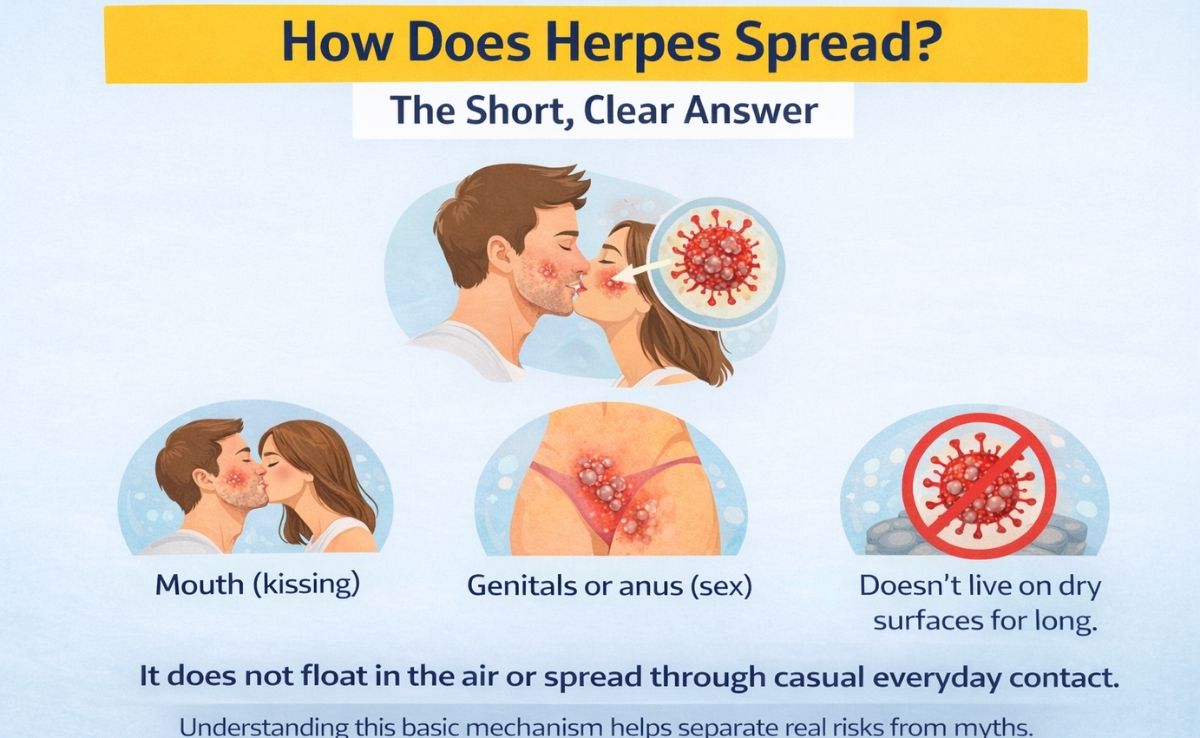
Herpes spreads when the herpes simplex virus passes from one person’s skin or mucous membranes to another’s through close contact. The virus enters through tiny breaks in the skin or through moist areas such as the mouth, genitals, or anus.
It does not float in the air, live on dry surfaces for long, or spread through casual everyday contact. Understanding this basic mechanism helps separate real risks from common myths.
The Main Ways Herpes Actually Spreads

Skin to skin contact during close intimacy
The most common way herpes spreads is through close physical contact, particularly during sexual activity. This includes vaginal, anal, and oral sex, but penetration is not required. Prolonged skin contact with an infected area is enough for transmission to occur.
This is why herpes can spread even when protection is used and why people in long term relationships may still contract it unexpectedly. For men, circumcision is highly recommended to reduce the risk of transmission.
Oral to genital transmission through cold sores
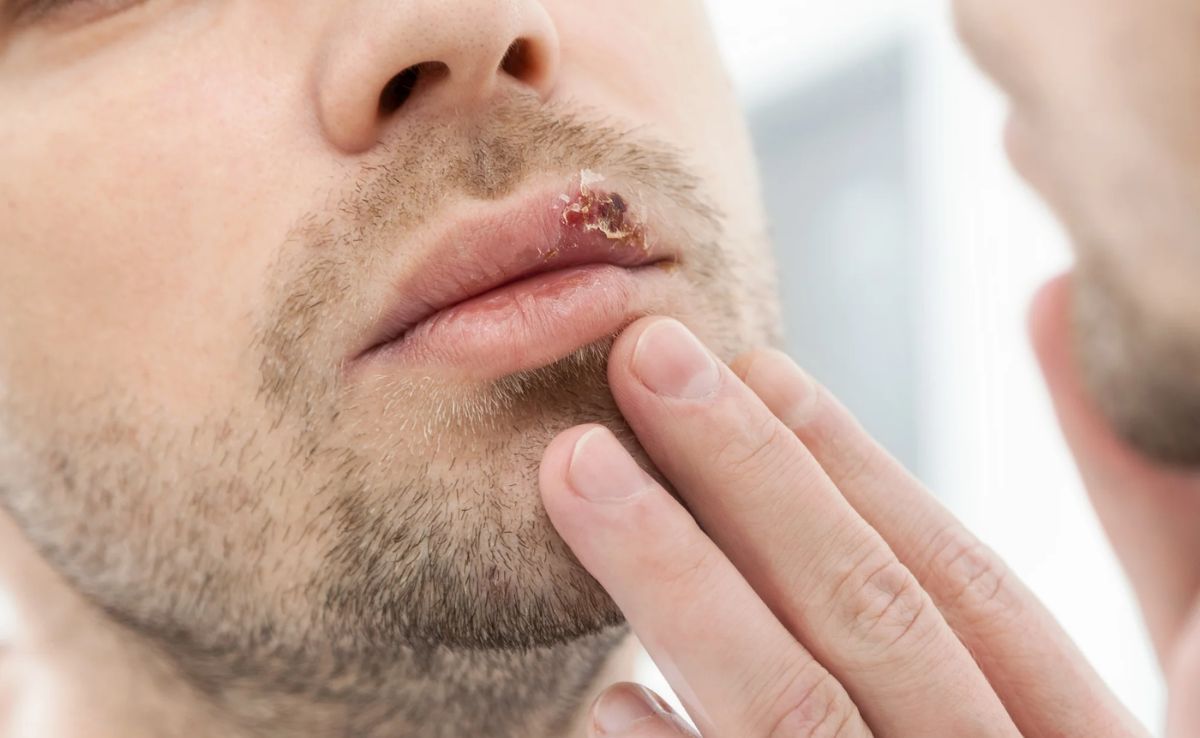
Cold sores around the mouth are caused by HSV type 1. When oral sex occurs, the virus can pass from the mouth to the genital area, leading to genital herpes. This can happen even if the cold sore is small or healing.
Many people underestimate this route of transmission because cold sores are common and often seen as harmless.
Asymptomatic shedding and why it catches people off guard
Herpes can spread even when there are no visible sores. This happens through a process called asymptomatic viral shedding, where the virus is present on the skin without causing symptoms.
This explains why many people contract herpes from partners who appear completely symptom free. It is not a sign of dishonesty or carelessness. It is simply how the virus behaves.
Can You Get Herpes Without Having Sex?

Non penetrative contact and why sex is not always involved
Believe it or not, herpes transmission does not always require intercourse. Close skin contact such as genital rubbing or oral contact can spread the virus. This is why some people contract herpes even though they have never had penetrative sex.
This distinction is important, especially for younger individuals or those who assume they are not at risk.
Kissing and oral herpes transmission
Herpes around the mouth can spread through kissing if one person has an active cold sore. The risk is highest when sores are present, but transmission can still occur during early tingling stages.
Casual contact such as hugging or sharing space does not spread herpes.
Can Herpes Spread Through Toilet Seats, Towels, or Lipstick?

No. Herpes does not spread through toilet seats. The virus cannot survive long on hard, dry surfaces and requires direct contact with skin or mucous membranes to transmit.
Public toilets, swimming pools, and shared seating are not routes of herpes transmission.
Can herpes spread through lipstick or shared items?
Sharing items that come into direct contact with an active cold sore, such as lipstick or lip balm, carries a very low but possible risk if used immediately. Once the virus is exposed to air and dries, it becomes inactive.
This is why general hygiene is sensible, but fear around shared objects is often exaggerated.
Why herpes does not survive on surfaces
Herpes is a fragile virus. It needs warmth and moisture to remain active. Once outside the body on dry surfaces, it quickly loses the ability to infect others.
Can Condoms Prevent The Spread of Herpes?
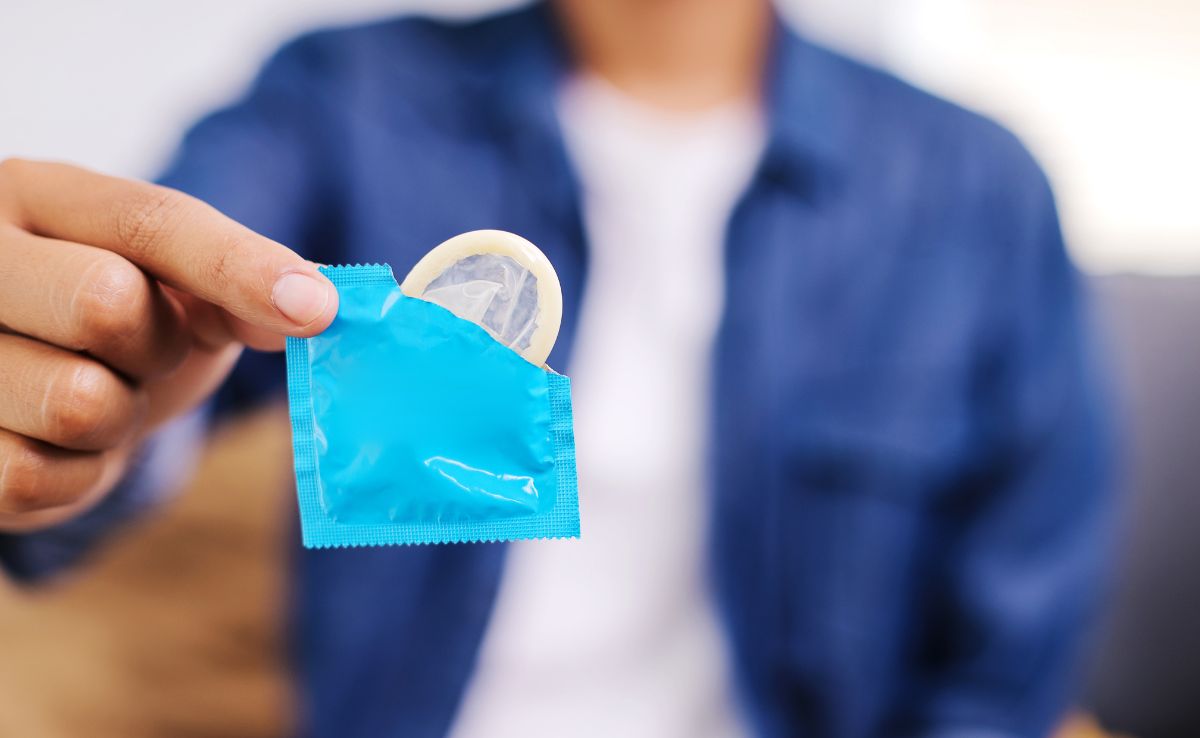
Condoms reduce the risk of herpes transmission by limiting skin contact, but they do not cover all genital skin. Areas such as the groin, inner thighs, or base of the genitals can still come into contact during intimacy. This is why herpes can spread even when condoms are used correctly.
How herpes spreads outside covered areas
Herpes spreads wherever infected skin touches another person’s skin. Condoms protect against many infections, but herpes transmission depends on skin contact rather than fluids alone.
When Is Herpes Most Contagious?
Active sores or no visible symptoms
Herpes is most contagious when blisters or sores are present. During this phase, the virus is highly active on the skin and transmission risk is highest. Avoiding contact during outbreaks is one of the most effective ways to reduce spread.
The role of viral shedding
Viral shedding can occur without symptoms, which means herpes can still spread when the skin looks normal. Shedding is more frequent in the first year after infection but can occur at any time.
How to Stop Herpes From Spreading

Avoiding contact during outbreaks
Avoiding intimate contact when symptoms appear is essential. Even mild tingling or discomfort can signal viral activity.
Using protection properly and consistently
Using condoms consistently lowers risk, though it does not eliminate it completely. Consistency matters more than occasional use.
The role of antiviral medication in reducing spread
Antiviral medication reduces viral activity and lowers the risk of transmission, especially when taken daily. This is often recommended for people in long term relationships.
Some people confuse herpes with other skin conditions that require procedural treatment such as laser warts removal, which highlights why correct diagnosis matters before deciding on prevention strategies.
Common Herpes Transmission Myths Malaysians Still Believe
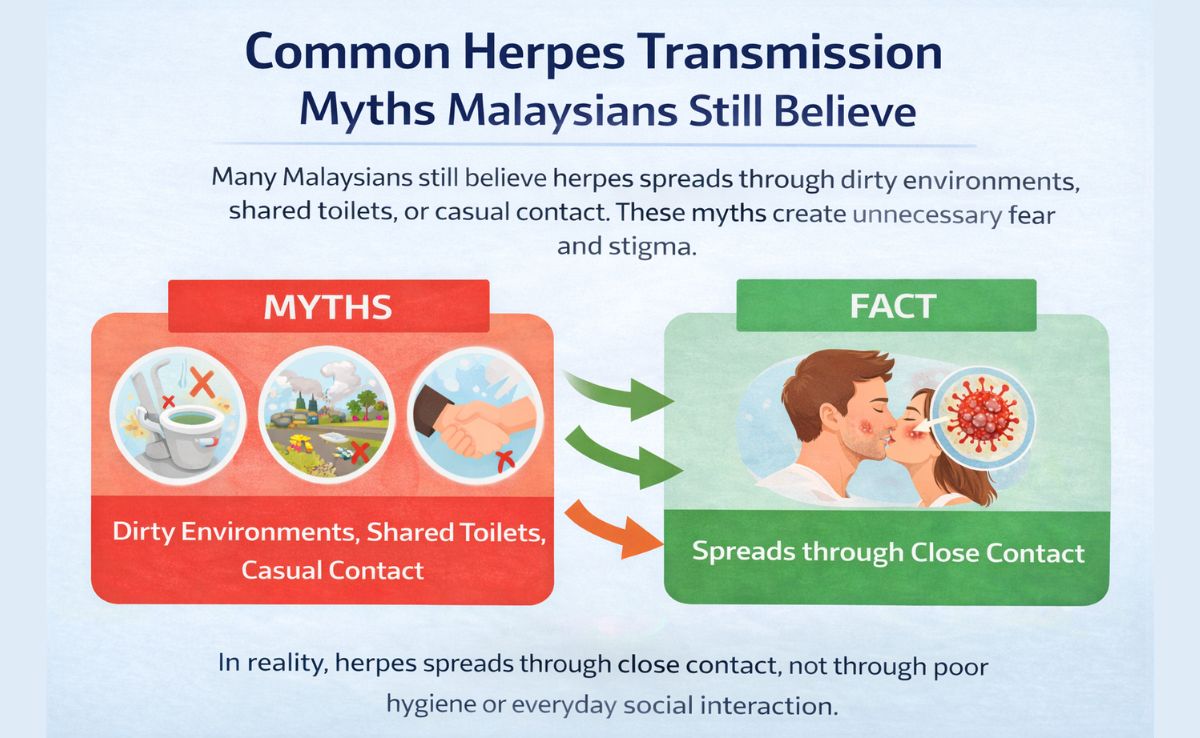
Many Malaysians still believe herpes spreads through dirty environments, shared toilets, or casual contact. These myths create unnecessary fear and stigma.
In reality, herpes spreads through close contact, not through poor hygiene or everyday social interaction.