
For years, the conversation around erectile dysfunction causes has centered on the usual suspects — aging, cardiovascular disease, diabetes, stress, and lifestyle habits. But since 2020, a less-discussed factor has been quietly showing up in the research: COVID-19. A growing number of studies suggest that surviving a COVID-19 infection may leave some men with a lingering, often overlooked risk factor for erectile dysfunction (ED).
If you’ve noticed changes in your sexual function after a COVID-19 infection, you’re not imagining things — and you’re not alone. Here’s what the research says, the warning signs worth knowing, and where to turn next.
Understanding the Common Causes of Erectile Dysfunction
Erectile dysfunction is the consistent inability to achieve or maintain an erection firm enough for satisfying sexual activity. It can result from a range of underlying factors, including poor blood circulation, hormonal imbalances such as low testosterone, nerve damage, certain medications, psychological conditions like stress or anxiety, and lifestyle habits such as smoking, excessive alcohol consumption, obesity, and physical inactivity. While these remain the most common causes of erectile dysfunction, researchers are now investigating whether COVID-19 infection may also contribute to the condition by affecting vascular health and other biological processes.
Could COVID-19 Be a Hidden Cause of Erectile Dysfunction?
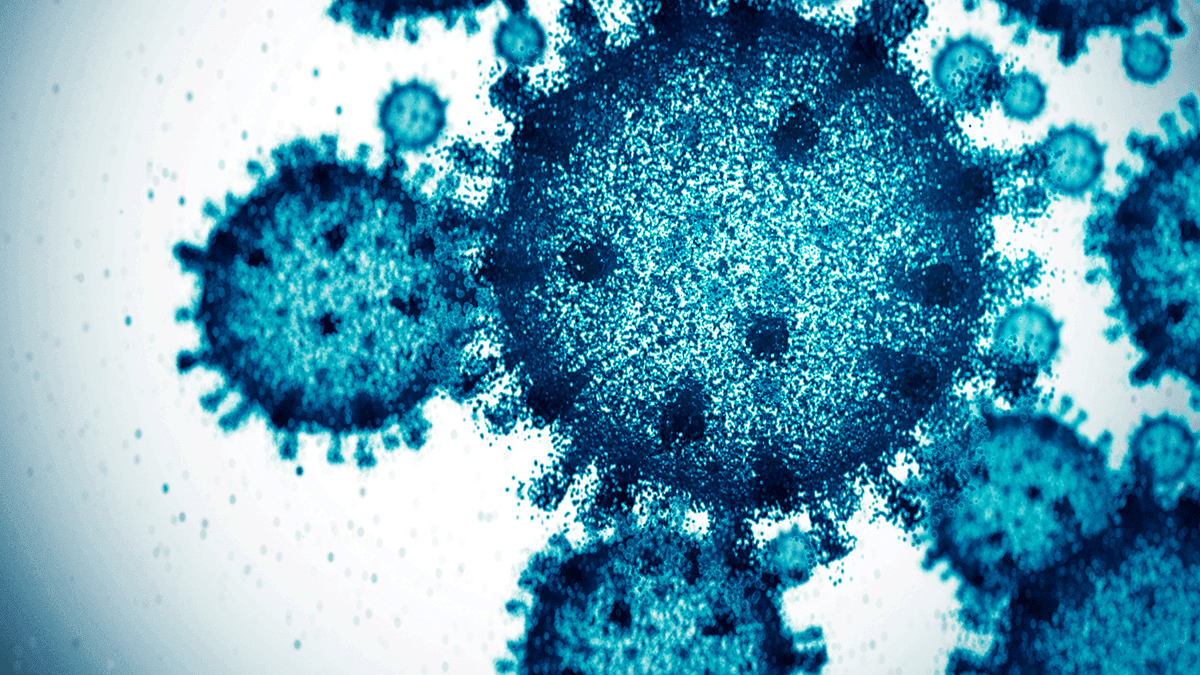
The link between COVID-19 and erectile dysfunction is one of the more striking findings to emerge from long-COVID research. Multiple studies have found that men who contracted COVID-19 — even those with mild or moderate illness — reported new or worsened erectile difficulties in the months following infection, with younger and middle-aged men showing the sharpest declines in sexual function and satisfaction.
Researchers point to several possible mechanisms:
Vascular damage. The virus enters cells through ACE2 receptors, which are present in the blood vessels of the penis. This may trigger localized inflammation and reduce nitric oxide production — a molecule essential for achieving an erection. Since an erection is fundamentally a vascular event, damage at this level can directly impair function.
Systemic inflammation. COVID-19 is known to trigger a surge of inflammatory markers throughout the body. This response can affect the endothelium — the lining of blood vessels — across the circulatory system, including the vessels responsible for erectile function.
Psychological aftermath. Long COVID has been associated with elevated rates of anxiety, depression, and sleep disturbance, all of which are independently tied to erectile dysfunction. Persistent fatigue and breathlessness, common lingering symptoms, can also chip away at sexual confidence and desire.
Persistence over time. Some research suggests ED symptoms ease gradually as patients recover, while other studies have tracked erectile difficulties lasting one to two years post-infection — particularly in men still dealing with long-COVID symptoms like fatigue.
The takeaway isn’t that every man who had COVID-19 will develop ED — most won’t. But if you’ve had a confirmed or suspected infection and have since noticed changes in performance, it’s worth raising it with your doctor rather than writing it off as unrelated or “just stress.”
Signs of Erectile Dysfunction to Watch For

Whatever the underlying cause, the signs of erectile dysfunction tend to look similar:
- Difficulty achieving an erection, even with adequate stimulation
- Trouble maintaining an erection through intercourse
- Reduced sexual desire or libido
- Erections that are noticeably less firm than before
- Fewer spontaneous or morning erections
If these symptoms appeared suddenly following an illness — including COVID-19 — that timing is itself a useful diagnostic clue, and worth mentioning at your appointment.
How to Diagnose Erectile Dysfunction
Knowing how to diagnose erectile dysfunction properly is especially important when the underlying cause isn’t immediately clear, which is often the case with post-viral erectile dysfunction. A comprehensive evaluation typically begins with a detailed medical history, including recent illnesses, medications, and lifestyle factors, followed by a physical examination. Your doctor may also recommend blood tests to assess hormone levels such as testosterone, blood sugar, cholesterol, and other cardiovascular risk factors, as well as psychological screening to identify stress, anxiety, or depression that may be affecting sexual function. In some cases, additional investigations such as penile Doppler ultrasound may be performed to evaluate blood flow and determine whether vascular damage is contributing to the condition.
Erectile Dysfunction Treatment Options
The good news is that erectile dysfunction is highly treatable, and most men experience significant improvement with an individualised treatment plan. The most appropriate approach depends on the underlying cause and may include oral medications such as PDE5 inhibitors to improve blood flow, lifestyle modifications like regular exercise, weight management, smoking cessation, and better control of chronic conditions such as diabetes or hypertension. For men with hormonal deficiencies, testosterone replacement therapy may be recommended, while those experiencing stress, anxiety, or depression may benefit from psychological counselling. In cases where poor blood circulation is a contributing factor, regenerative treatments such as low-intensity shockwave therapy can help improve penile blood flow and support long-term erectile function. Because post-COVID erectile dysfunction often involves both vascular and psychological factors, addressing each contributing cause usually provides the best outcomes.
When to See a Doctor

If erectile difficulties last more than a few weeks, or began shortly after a COVID-19 infection, it’s worth scheduling an evaluation. ED can be an early warning sign of cardiovascular disease, so addressing it isn’t just about sexual health — it’s about your overall well-being.
The Bottom Line
Erectile dysfunction causes are more varied than most people realize, and COVID-19 has emerged as a legitimate, evidence-backed contributor for some men — one that’s still under-recognized in everyday conversations about sexual health. If you’ve noticed changes since your infection, don’t ignore it. A proper diagnosis can uncover the true cause and open the door to effective, personalized treatment.
If you’re experiencing signs of erectile dysfunction, the team at He Medical Clinic can help you identify the cause and find a treatment plan that works for you. Schedule a confidential consultation today.