Many people in Malaysia put off getting tested because of stigma, fear or the belief that “it won’t happen to me”. Yet HIV can affect anyone, and finding it early makes an enormous difference. This guide answers the question what is HIV, covers the symptoms to look out for, how it spreads and how to get tested, with advice from the doctors at He Medical Clinic
What Is HIV and What Does It Do to the Body?
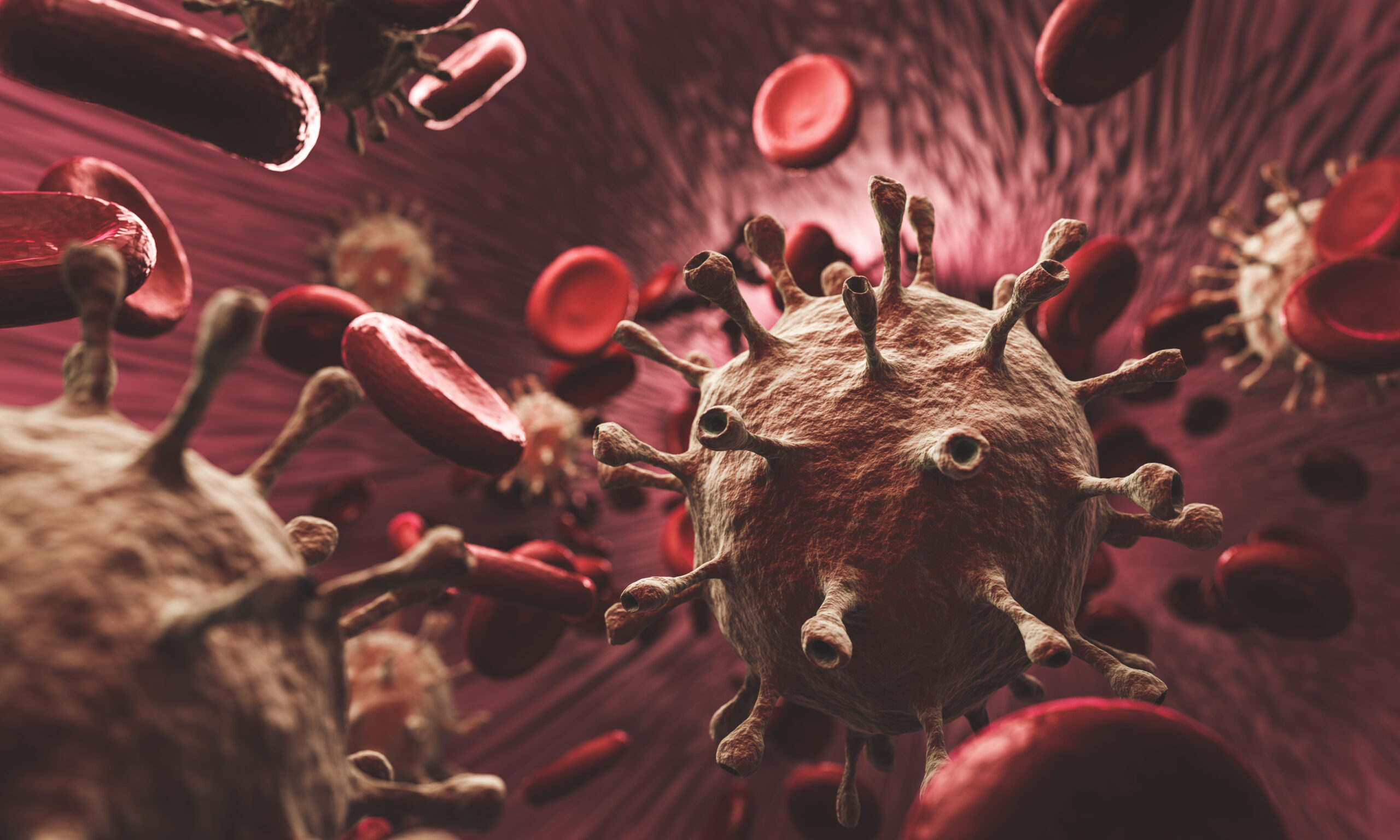
HIV (Human Immunodeficiency Virus) is a virus that attacks the body’s immune system, destroying CD4 cells that fight infection. Left untreated, it weakens your defences and can progress to AIDS, its most advanced stage. With modern antiretroviral therapy (ART), however, HIV can be controlled and most people live long, healthy lives.
HIV remains a major global health issue. WHO estimates that 40.8 million people were living with HIV at the end of 2024, and 1.3 million people were newly infected that year. Closer to home, Malaysia’s Ministry of Health reported 3,185 new cases in 2024. Men accounted for 90% of them and 96% were sexually transmitted.
Because HIV can stay in the body for years before serious symptoms appear, many people do not know they are infected. When the CD4 count falls below 200 cells per cubic millimetre, the infection is classed as AIDS. Untreated, this leaves the body open to opportunistic infections such as tuberculosis, pneumonia and certain cancers.
How Is HIV Transmitted?
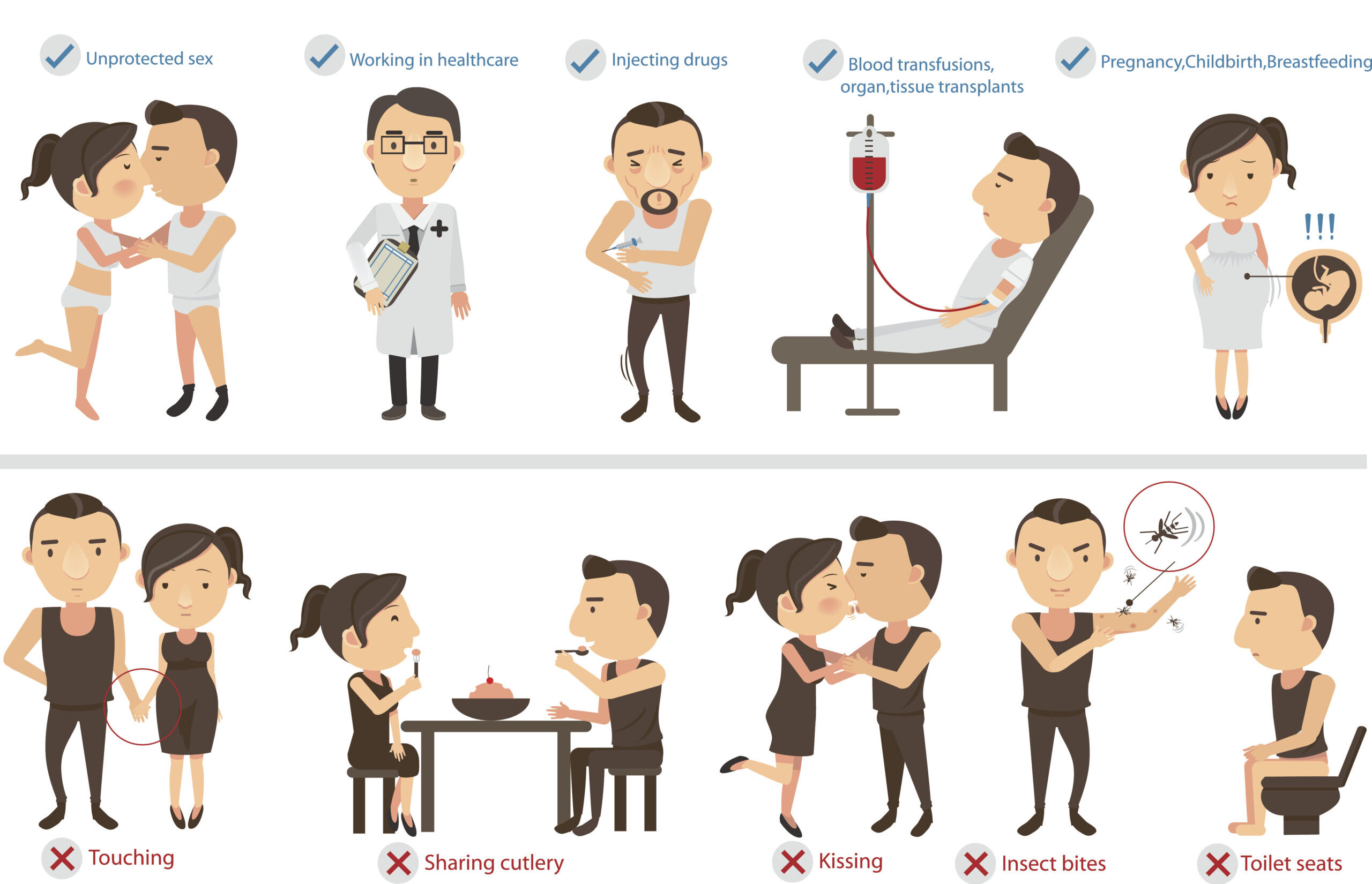
HIV spreads through blood, semen, vaginal and rectal fluids, and breast milk entering the body through mucous membranes, damaged tissue or direct injection. The main routes are:
- Unprotected sex, the most common route, particularly anal or vaginal sex without a condom
- Sharing needles or syringes
- Mother-to-child transmission during pregnancy, childbirth or breastfeeding without treatment
- Contaminated blood transfusions, which are rare where blood is screened
HIV is not spread by kissing, hugging, sharing utensils or toilets, or mosquito bites.
What Are the First Signs of HIV?

Within two to four weeks of infection, many people develop flu-like HIV symptoms, known as acute retroviral syndrome. These include fever, sore throat, body aches, fatigue, swollen lymph nodes and a skin rash. They usually pass within days to weeks, even though the virus remains in the body and is highly contagious.
HIV Symptoms in Men
Some signs are easy to overlook or mistake for something else:
- Reduced sex drive or difficulty maintaining an erection
- A flat, red rash on the chest, back or face
- Drenching night sweats
- Painless swollen lymph nodes in the neck, armpits or groin
- Unexplained weight loss of 10% or more of body weight
These signs overlap with flu and other infections, so they cannot confirm HIV on their own. Many people have no symptoms at all for years, so the only way to know your status is to get tested.
HIV Treatment and Prevention
There is currently no cure for HIV, but ART is highly effective. Taken daily, it lowers the viral load to undetectable levels, protects the immune system and means the virus cannot be passed on to sexual partners. The earlier ART starts, the more of your immune function it protects. Missing doses can lead to drug resistance, so taking it consistently matters.
You can reduce your risk by:
- Using condoms correctly every time
- Taking PrEP, which can cut infection risk by up to 99% for higher-risk individuals
- Starting PEP within 72 hours of a possible exposure
- Never sharing needles
- Testing regularly
Both PrEP and PEP require a doctor’s guidance.
How Do You Get a HIV Test in Malaysia?
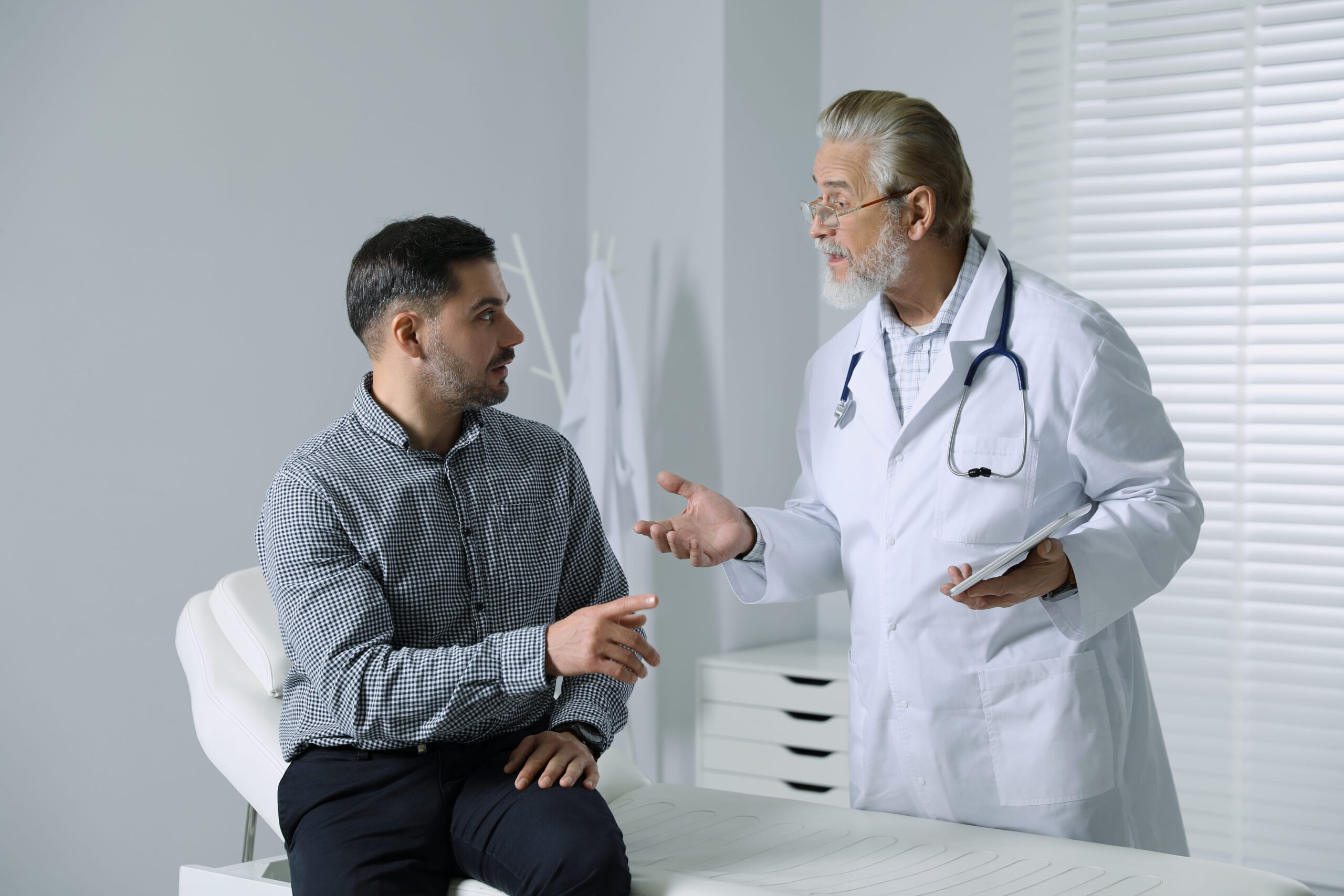
You can get an HIV test in Malaysia at government clinics, hospitals and private clinics such as He Medical Clinic, where testing is fast and confidential. Results are reviewed by a doctor, who explains next steps. Your doctor will also advise when to retest if you were exposed recently.
Consider testing if you have had sex without a condom, a new or multiple partners, a partner whose status you don’t know, or another sexually transmitted infection, or if you have shared needles. The Ministry of Health has also expanded access to HIV self-testing through its TestNow website, but a doctor-led test lets you discuss results, retesting and next steps in one visit.
Testing is still the first hurdle. UNAIDS estimates that about 5.3 million people worldwide did not know they were living with HIV in 2024. If you are sexually active or at higher risk, a regular HIV screening test in Malaysia, alongside broader STD testing in Malaysia, helps catch infections early, when treatment works best.