

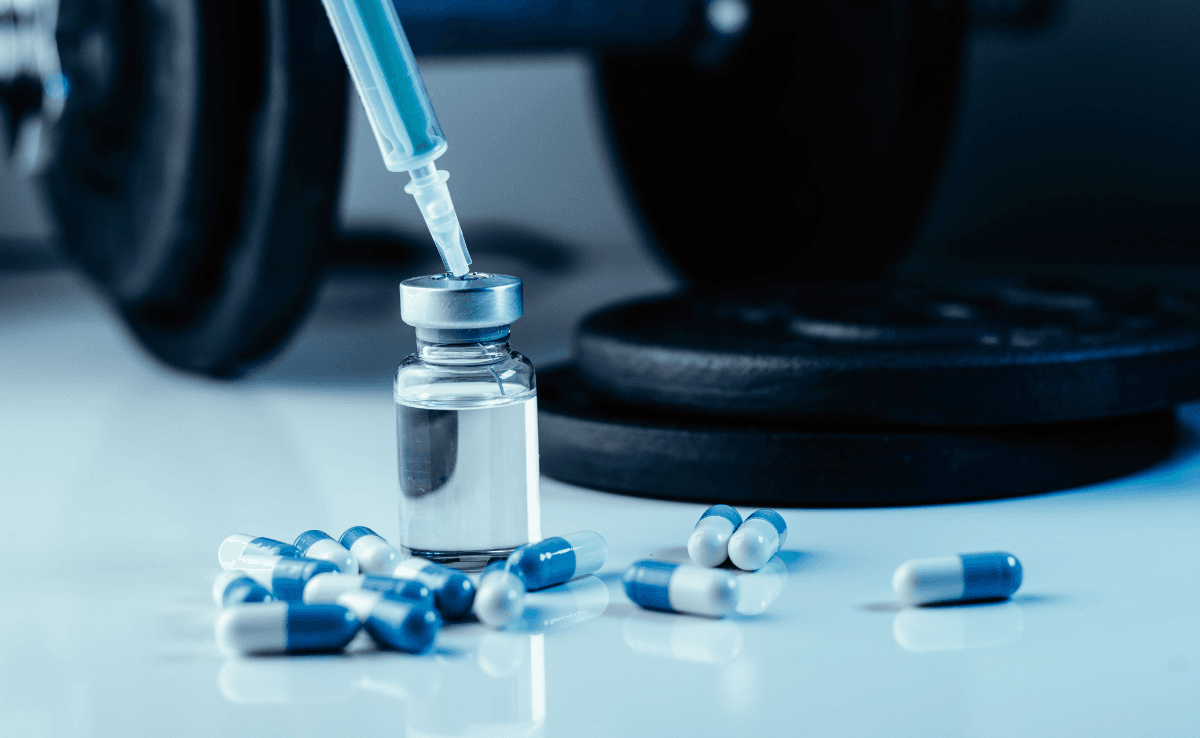
TRT and anabolic steroids may both influence testosterone levels, but they’re not the same. TRT is a medically supervised therapy for hormonal imbalance, while steroids are often abused for rapid muscle gain, carrying far greater health risks.
If you’re wondering whether TRT and anabolic steroids are essentially the same thing, the short answer is: no, not even close. While both affect testosterone in the body, their purpose, dosage, safety, legality, and impact on health differ significantly.
At He Medical Clinic, we offer clinically supervised Testosterone Replacement Therapy (TRT) tailored to men who genuinely need it, not to bodybuilders chasing performance at the cost of long-term health.
TRT vs Anabolic Steroids: Breaking Down the Core Difference
What Is TRT and When Is It Used?
Testosterone Replacement Therapy (TRT) is a clinically prescribed treatment for men suffering from low testosterone — also known as hypogonadism. This condition can cause fatigue, depression, low libido, poor muscle mass, and difficulty concentrating.
TRT helps bring testosterone back into a normal, healthy range under medical supervision, with regular blood work to avoid imbalances. The goal isn’t to exceed what your body naturally produced in its prime—it’s to restore balance.
Treatments can include:
- Topical gels
- Intramuscular injections
- Implant pellets
- Transdermal patches
What Are Anabolic Steroids Actually Used For?
Anabolic steroids are synthetic versions of testosterone. While they were originally developed for medical use (e.g. treating muscle wasting diseases), they are now more commonly associated with performance enhancement and illegal bodybuilding culture.
People use anabolic steroids to:
- Rapidly increase muscle size and strength
- Enhance athletic performance
- Push past natural testosterone limits
These are often taken at supraphysiological doses (10–100x normal TRT dosages), and frequently without any medical oversight.
Is TRT a Steroid? Here’s the Catch
Technically, testosterone is a steroid hormone. So yes—TRT uses steroids in the clinical sense. But when people say “steroids,” they usually mean anabolic steroids used recreationally, which is a completely different context.
Think of it this way: Taking paracetamol to treat a fever is different from overdosing on morphins to get high. Both are drugs—but how they’re used and what they’re used for matters.
Differences in Source, Purpose, and Delivery
Factor | TRT | Anabolic Steroids |
Purpose | Medical treatment for low testosterone | Performance/muscle enhancement |
Supervision | Always doctor-prescribed and monitored | Often self-administered, unsupervised |
Dosage | Physiological replacement (natural levels) | Supraphysiological (10–100x natural levels) |
Legality | Legal with prescription | Often illegal for enhancement |
Bottom line: TRT is about restoring hormonal balance, while anabolic steroid use is often about exceeding natural limits—and that difference is where most of the risk lies.
Why Men Consider TRT or Steroids in the First Place

Men don’t just wake up one day and decide to inject testosterone. Whether it’s due to health concerns, body image issues, or performance goals, the motivations behind TRT and steroid use are very different—and understanding them is key to making a safe choice.
Low Testosterone and Its Silent Symptoms
Testosterone levels naturally decline with age, often starting as early as your 30s. But for some men, this drop is steeper and more symptomatic, leading to a condition called hypogonadism.
Common symptoms of low testosterone include:
- Chronic fatigue
- Decreased muscle mass despite working out
- Low libido or erectile dysfunction
- Mood swings or depression
- Poor concentration or “brain fog”
These issues are often brushed off as stress, ageing, or lifestyle—when in reality, they could signal a hormonal imbalance that needs medical attention.
TRT is designed to treat these symptoms at the root, using bioidentical testosterone under clinical care. It’s not a shortcut—it’s a correction.
Fitness, Performance, and Muscle Mass Goals
On the flip side, anabolic steroid users are typically not experiencing low testosterone at all.
Instead, the motivation is often:
- To build muscle rapidly
- To recover faster from workouts
- To gain an edge in competition
- To change body image quickly
The problem? Steroids push your body beyond its natural limits, often triggering aggressive side effects and long-term damage, especially when used without medical oversight.
This is where many fall into the trap of cycling, stacking, and dependency, as the body’s natural testosterone production crashes when synthetic testosterone is overused.
When “More Testosterone” Becomes Risky
The phrase “testosterone is good, so more must be better” is a common misconception.
In reality, too much testosterone—especially when unbalanced with other hormones like estrogen or DHT—can:
- Suppress natural hormone production
- Increase aggression, anxiety, and insomnia
- Cause infertility, hair loss, and gynecomastia (man boobs)
- Trigger liver strain, heart issues, and testicular shrinkage
Whether you’re using TRT or steroids, context is everything. The same compound used responsibly in one scenario becomes a risk factor when abused in another.
Anabolic Steroids vs TRT: Side Effects Compared

Both anabolic steroids and TRT affect the body’s hormonal balance—but the scale, severity, and reversibility of side effects are dramatically different.
If you’re deciding between a medically prescribed therapy and self-administered performance enhancers, understanding the risks is non-negotiable.
Steroid Side Effects: What You’re Really Risking
When anabolic steroids are taken at supraphysiological doses (which is common in non-medical use), the body reacts aggressively. The side effects are often multi-systemic, and can be both short-term and long-term.
Physical Side Effects:
- Acne and oily skin
- Hair loss (male-pattern baldness)
- Testicular atrophy (shrinkage)
- Gynecomastia (male breast development)
- Liver damage
- High blood pressure and heart strain
- Infertility
- Reduced HDL (good) cholesterol
Mental & Emotional Effects:
- Increased aggression and mood swings
- Paranoia and anxiety
- Depression during withdrawal cycles
Many users cycle steroids to “minimise” these risks, but post-cycle therapy (PCT) rarely restores full hormonal function. Over time, users often require multiple synthetic hormones to manage the fallout.
In short: Steroid use doesn’t just stop when the cycle ends. The recovery can be longer and more dangerous than the muscle gains were worth.
TRT Side Effects Under Medical Supervision
With TRT, testosterone is brought up to normal physiological levels, not into bodybuilder territory. When prescribed and monitored properly, the side effects of TRT are rare and usually manageable.
Still, any hormone therapy carries risk. Side effects can include:
- Acne or oily skin
- Fluid retention or bloating
- Mild sleep apnea
- Increased red blood cell count (polycythemia)
In some men, testosterone may convert to estrogen, leading to breast tenderness or low mood. However, these imbalances can be addressed with adjusted dosing or estrogen blockers, all under a doctor’s care.
When managed by professionals, TRT is part of a long-term health plan, not a shortcut. Steroid use, however, is often isolated, impulsive, and driven by short-term aesthetics over sustainable wellbeing.
Medical Safety & Oversight: The Non-Negotiable Difference

It doesn’t matter whether you’re injecting testosterone for therapy or performance—how it’s done makes all the difference.
The key distinction between TRT and anabolic steroids isn’t just the dose. It’s the presence—or absence—of medical oversight.
TRT Requires Proper Diagnosis and Monitoring
Before beginning testosterone replacement therapy, you must undergo:
- Full blood panels
- Symptom analysis
- Evaluation for underlying causes
- Ongoing monitoring of red blood cell count, PSA, estradiol levels, and more
This ensures your dosage remains safe and precisely tailored to your body’s needs, while preventing excessive conversion of testosterone into estrogen. Regular monitoring also safeguards against unwanted side effects and ensures that other vital health factors such as liver, heart, and hormonal balance aren’t compromised throughout the treatment.
At He Medical Clinic, we don’t just prescribe testosterone—we manage your long-term hormonal health with clinical precision and transparent results tracking.
Steroids Bypass Medical Guidance and the Consequences
Anabolic steroid users often skip proper medical supervision, and that’s where serious health issues begin. Without regular health checks, liver strain can go unnoticed until symptoms become severe. The buildup of estrogen may trigger gynecomastia (male breast tissue growth) or mood disturbances. Fertility problems can worsen over time and, in some cases, become irreversible. Worst of all, prolonged steroid use can completely shut down the body’s natural testosterone production, leaving long-term hormonal imbalances that are difficult to reverse.
What’s worse, users often “stack” multiple steroids and add ancillary drugs (like aromatase inhibitors or HCG) without understanding the interaction risks.
Talk to a Doctor, Not a Bodybuilder
Muscle mass and sex drive are real concerns, and they matter. But real solutions come from understanding your biology, not blindly mimicking someone else’s steroid stack.
At He Medical Clinic, we help men navigate:
- Low testosterone
- Erectile issues
- Weight gain and energy loss
- Hormonal imbalances
- Mental performance decline
In fact, if your symptoms are more sexual-health related than hormonal, we may recommend erectile dysfunction treatment as a first step.



 English
  Malay
Malay  Chinese