

Genital herpes treatment in Malaysia typically involves oral antiviral medication to control outbreaks, speed up healing, and reduce how often symptoms return rather than curing the virus entirely. Many patients first mistake early symptoms for common penile skin rashes, which delays proper treatment and allows outbreaks to worsen unnecessarily.
The Causes & Treatment for Genital Herpes in Malaysia
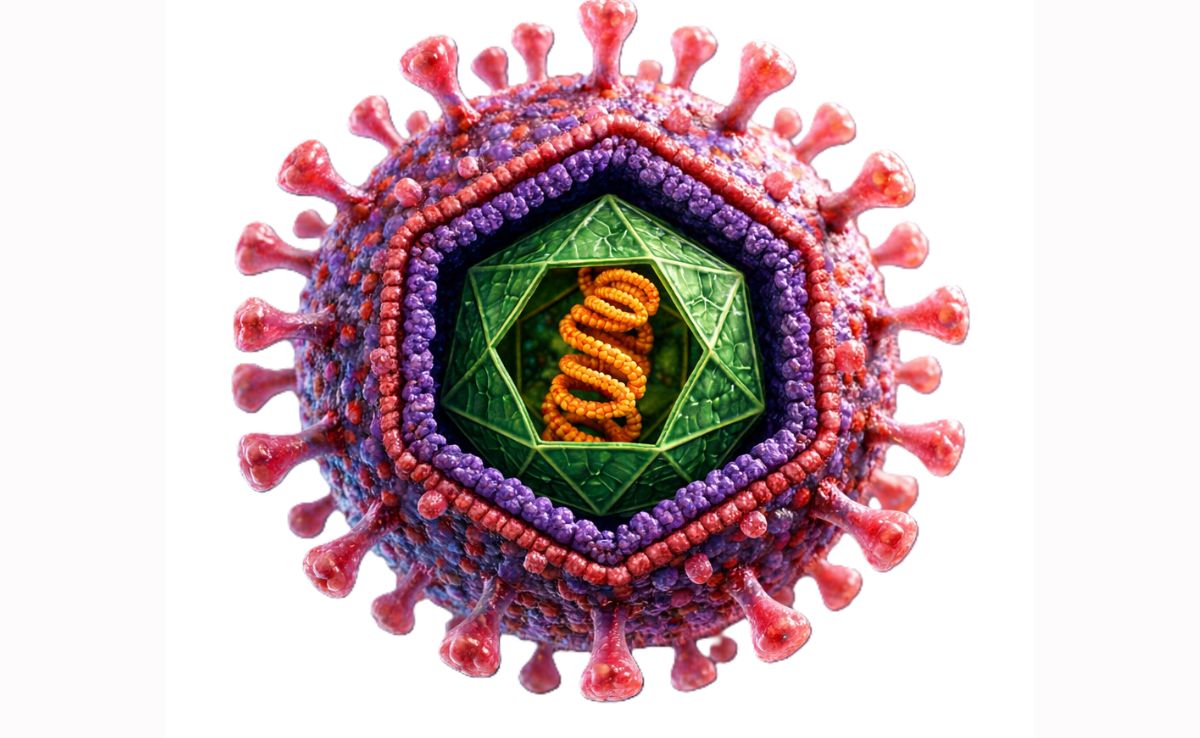
Genital herpes is caused by the herpes simplex virus, which remains in the body permanently once infected. Treatment focuses on managing the virus rather than removing it. When treated correctly, most people experience shorter outbreaks, less pain, and long periods without symptoms.
In Malaysia, treatment usually begins after a clinical assessment and, when needed, laboratory confirmation. Doctors prioritise symptom control, prevention of complications, and reducing transmission risk. The earlier treatment starts, the more effective it tends to be.
Can Genital Herpes Be Treated or Cured?
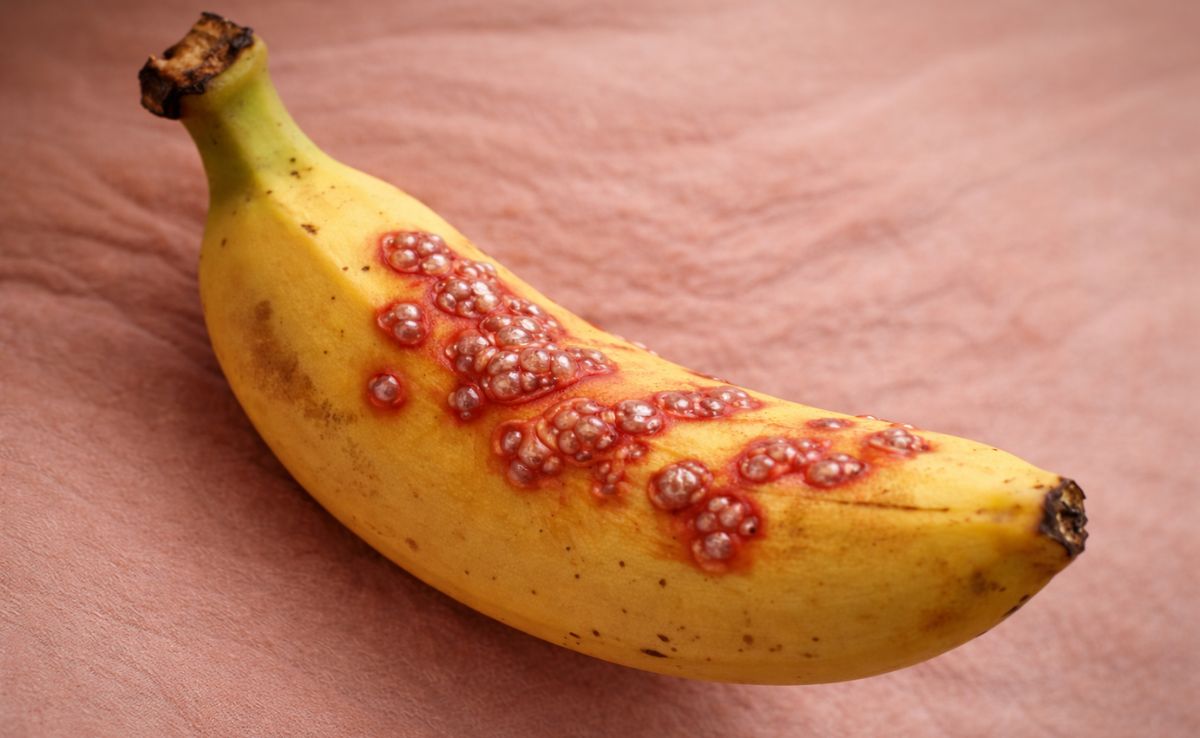
Truth be told, there is no cure for genital herpes as of this writing. The virus stays dormant in nerve cells and can reactivate from time to time. Antiviral medication only works by suppressing viral activity, not by eliminating the virus from the body.
This distinction matters because many people assume treatment has failed when outbreaks recur. In reality, recurrence does not mean medication is ineffective but rather, reflects the nature of the virus.
How To Know If The Treatment Is Successful?
Proper genital herpes treatment reduces pain, shortens healing time, lowers outbreak frequency, and decreases the likelihood of passing the virus to sexual partners. For many patients, this transforms herpes from a recurring disruption into a manageable condition.
When to See a Doctor for Genital Herpes Treatment
First outbreak vs recurring symptoms
A first outbreak is often more severe and should always be assessed by a doctor. Recurring symptoms that change in frequency or severity also require medical review.
Why early treatment reduces future outbreaks
Prompt treatment reduces viral activity and may help limit future recurrences. Early care also ensures accurate diagnosis before treatment begins.
Some patients require broader sexual health assessment like HIV alongside herpes treatment, which may involve additional specialised services depending on symptoms.
Herpes Medication Used For Treatment
Antiviral medication
Antiviral medication is the cornerstone of genital herpes treatment. These medications interfere with the virus’s ability to replicate, which limits symptom severity and duration.
They are most effective when started early, ideally during the tingling or itching phase before sores fully develop. Delayed treatment often leads to longer and more uncomfortable outbreaks.
Oral medication vs creams and ointments
Oral medication is far more effective than topical treatments. Creams may soothe irritated skin, but they do not control viral replication. This is why doctors rely on oral antiviral medication rather than surface treatments alone.
Some patients confuse herpes with conditions that require procedural intervention such as laser warts removal here at He Medical Clinic, but genital herpes treatment depends on medication rather than physical removal of lesions.
How Doctors Decide Which Treatment You Need
Treating outbreaks when they happen
Each episodic treatment involves taking antiviral medication only when symptoms appear. This approach suits patients with infrequent outbreaks who can recognise early warning signs.
When taken promptly, episodic treatments can shorten outbreaks by several days and reduce discomfort significantly.
Daily suppressive treatment for frequent outbreaks
Suppressive therapy involves taking antiviral medication daily, even when no symptoms are present. This approach is recommended for patients with frequent outbreaks or those concerned about transmission to long-term partners.
Suppressive treatment has been shown to reduce outbreak frequency and viral shedding over time.
Factors doctors consider before prescribing
Doctors assess outbreak frequency, symptom severity, lifestyle factors, and overall health before recommending a treatment plan. Treatment is tailored rather than standardised.
How to Heal Herpes Sores Faster During an Outbreak
When to start medication for best results
The timing of treatment is crucial. Starting medication at the first sign of tingling or sensitivity can prevent sores from fully forming. Waiting until blisters appear prolongs healing.
What helps sores heal and what delays recovery
Keeping the affected area clean, dry, and free from friction supports healing. Loose clothing and gentle hygiene help reduce irritation. In the meantime, avoid excessive topical products, heat, and tight garments as it can often slow recovery.
Common self-treatment mistakes in Malaysia
Many patients rely on home remedies or over-the-counter creams alone. While these may alleviate discomfort, they do not suppress the virus. Delaying medical treatment is one of the main reasons outbreaks last longer than necessary.
What treatment does not do
Treatment does not remove the virus from the body or guarantee that outbreaks will never recur. It also does not eliminate transmission risk completely. Understanding these limits helps set realistic expectations.
Long-term management and recurrence patterns
Over time, outbreaks often become less frequent and milder. Many patients go months or years without symptoms once treatment is optimised.
Is Genital Herpes Treatment Different for Men and Women?
Treatment considerations for men
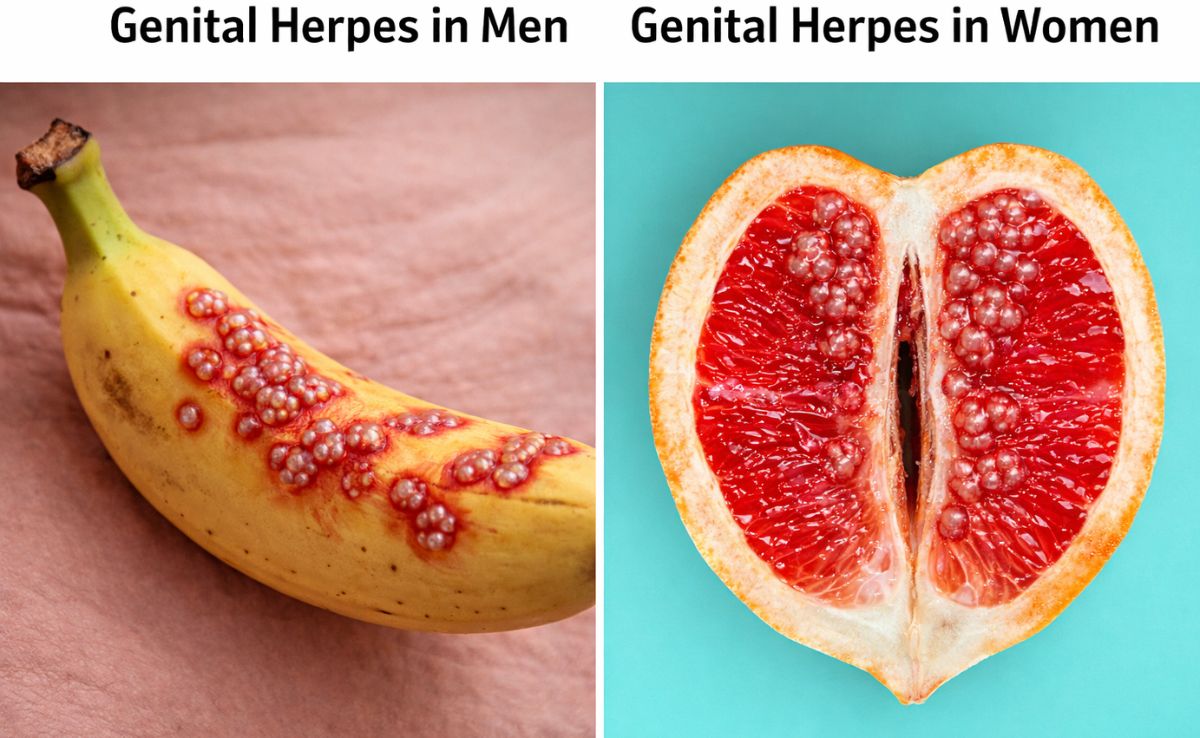
Men may experience sores that interfere with urination or daily movement. Early treatment reduces discomfort and shortens recovery time. Recognising early symptoms allows treatment to begin sooner.
Treatment considerations for women
Women may develop internal sores that are harder to detect. Persistent irritation or pain during urination should be assessed rather than repeatedly treated as a fungal infection. Treatment principles remain the same, but diagnosis may require closer evaluation.


 Malay
Malay  English
  Chinese