

0%
Loading ...


Warts are removed safely by correctly identifying the type of wart and using medical treatments such as laser removal that target the infected tissue without damaging healthy skin.
Warts are more common than most people realise, and while many look harmless, removing them incorrectly can lead to pain, scarring, infection, or recurrence. At a clinical level, safe wart removal focuses on accuracy, hygiene, and using the right method for the right type of wart, especially when HPV screening is involved. This is particularly important for genital warts, which require medical assessment and discreet care rather than trial-and-error solutions.
For individuals who may be concerned about sexually transmitted infections alongside warts, proper evaluation often goes hand in hand with comprehensive sexual health screening and STD testing in Malaysia, ensuring nothing important is missed during diagnosis or treatment.
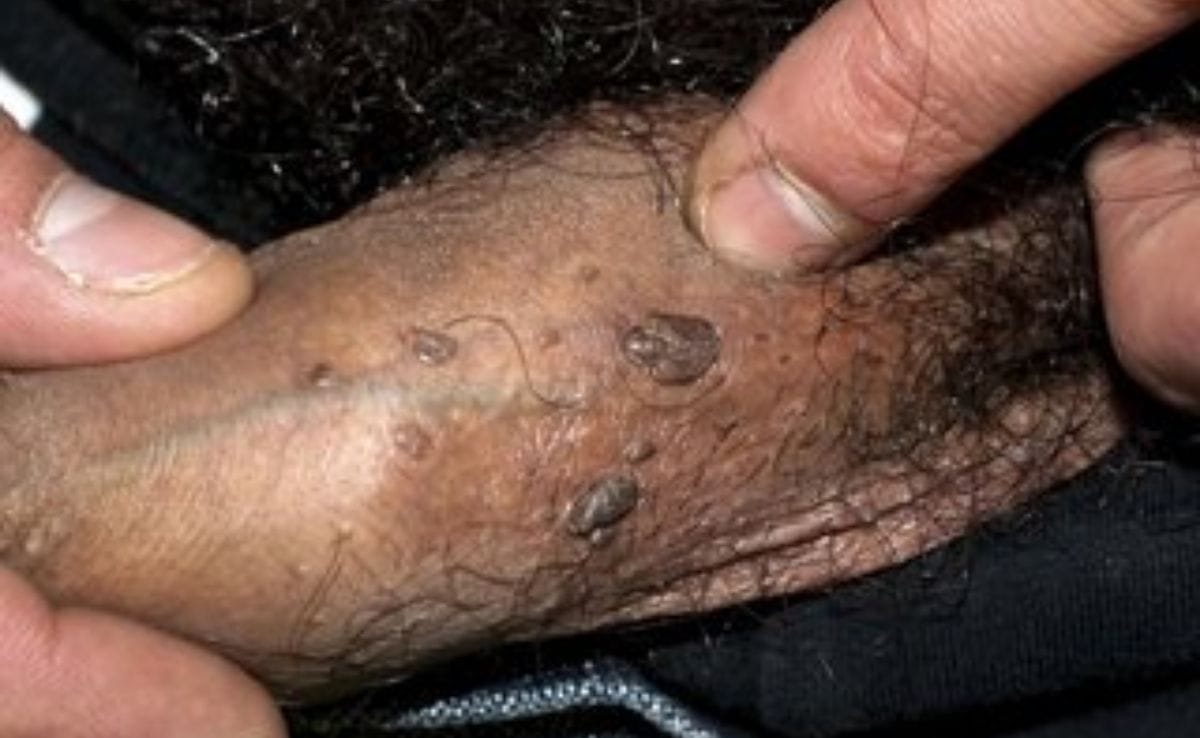
Identifying a wart correctly matters because treatment depends on the wart’s type, location, and cause, and mistaking another skin condition for a wart can delay proper care or worsen the problem.
Warts are caused by different strains of the human papillomavirus (HPV) and tend to have recognisable patterns, but they do not all look the same. Some are rough and raised, others are flat and barely noticeable, and genital warts can appear very different from common warts on the hands or feet. Because of this variation, visual assumptions alone are often unreliable.
Most non-genital warts have a firm texture and may feel grainy or rough to the touch. Common warts often appear on fingers, hands, or knees and may have tiny black dots, which are clotted blood vessels rather than dirt. Plantar warts, found on the soles of the feet, are usually flatter due to pressure from walking and may cause discomfort when standing or moving.
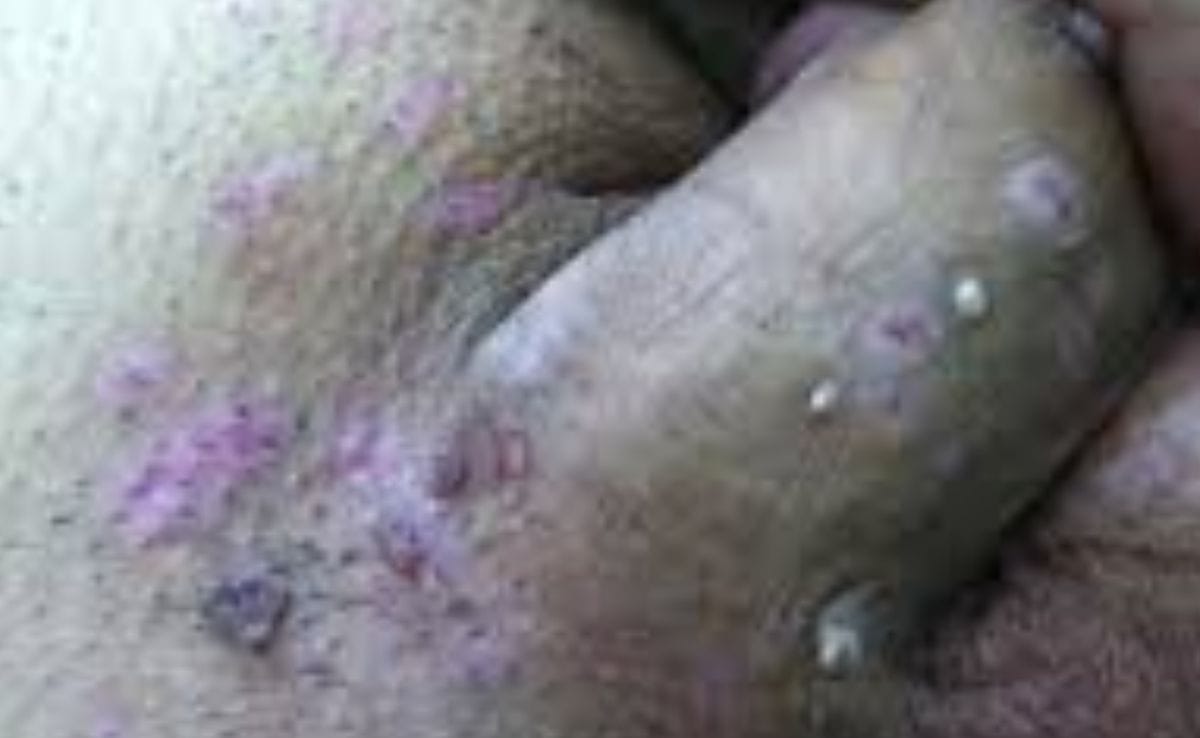
Genital warts, however, tend to look softer and flesh-coloured or slightly grey. They may appear as small bumps, flat lesions, or clustered growths resembling cauliflower. In many cases, they are painless, which can cause people to overlook them until they increase in size or number.
Not every bump or lesion is a wart. Skin tags, moles, cysts, and certain infections can mimic the appearance of warts, particularly in the genital area. Unlike warts, some of these conditions do not involve HPV and require entirely different management.
If a growth changes colour, bleeds easily, becomes painful, or spreads rapidly, it should not be self-treated. In clinical practice, visual examination by a doctor is often enough to distinguish warts from other conditions, but uncertain cases may require closer assessment to rule out other skin or sexual health issues.
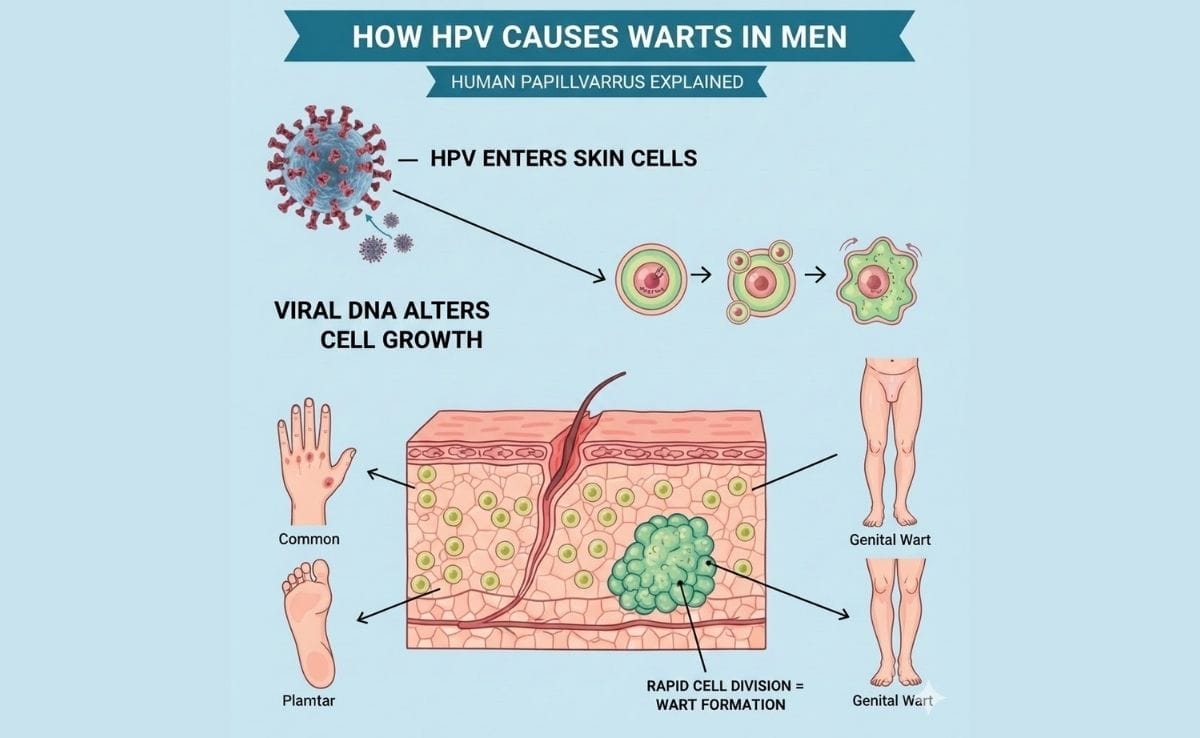
HPV causes warts by infecting the top layer of the skin or mucous membranes, triggering abnormal cell growth that appears as raised or flat lesions over time.
The human papillomavirus is a large group of viruses, with more than 100 known strains. Each strain behaves slightly differently, which explains why some cause common skin warts while others specifically affect the genital area. Once HPV enters the body through tiny cuts or micro-abrasions in the skin, it settles into the surface cells and disrupts their normal growth cycle.
Not everyone exposed to HPV develops warts. In many cases, the immune system suppresses the virus before visible symptoms appear. When immunity is weakened or the virus remains active at the skin surface, warts may persist or return even after treatment.
This persistence explains why removing the wart alone does not always eliminate HPV. Medical treatments focus on removing visible lesions safely and reducing viral load, while long-term management may involve monitoring, immune support, and preventive care.
Genital warts are fundamentally different from other wart types. They form on delicate mucosal skin and are associated with sexually transmitted HPV strains. Because of this, self-treatment carries higher risks, including burns, infection, scarring, and misdiagnosis of other conditions that may look similar.
Medical treatment for genital warts focuses on accuracy, hygiene, and patient privacy. At clinics such as He Medical Clinic, genital wart management typically begins with assessment, followed by targeted removal methods like laser wart removal, which is designed to remove wart tissue precisely while minimising discomfort and downtime.
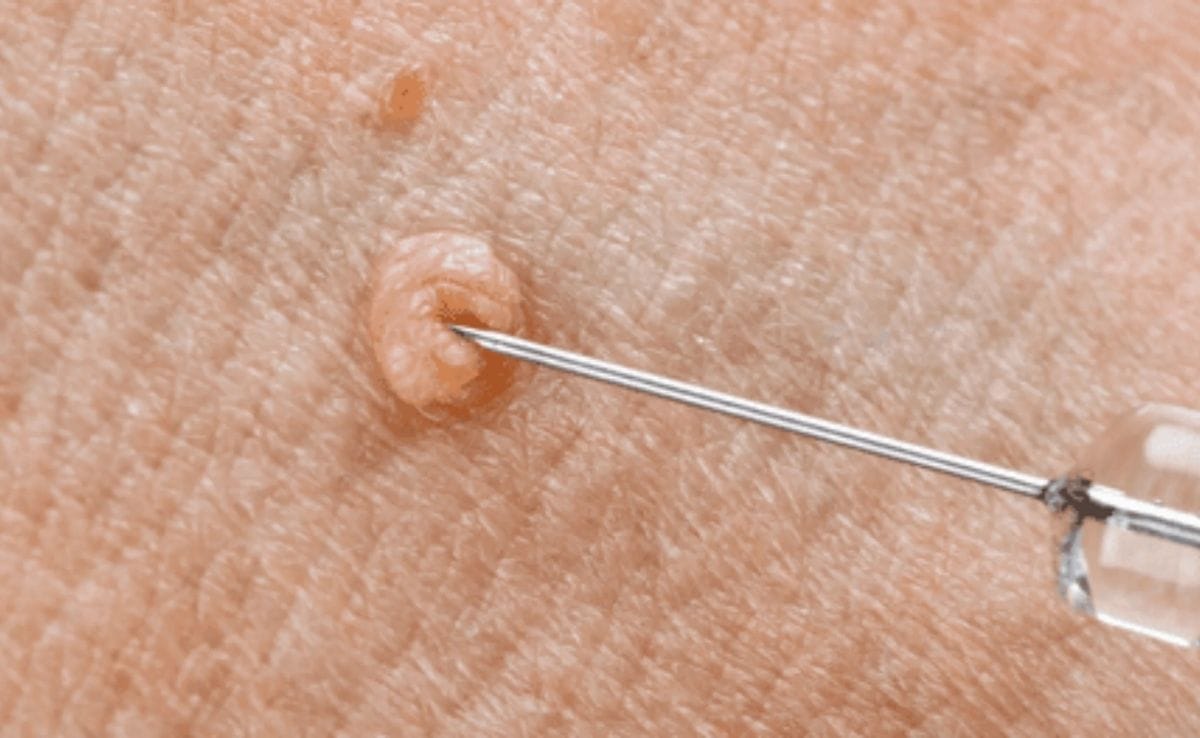
Warts are removed safely and effectively when the treatment method matches the wart type, location, and underlying cause, rather than relying on generalised home remedies.
Clinically, wart removal works by destroying or removing skin cells infected with the human papillomavirus (HPV). The safest approaches are performed in controlled medical settings, where the risk of bleeding, infection, and scarring is minimised. This is especially true for sensitive areas such as the genitals, face, or soles of the feet, where incorrect removal can cause lasting damage.
At He Medical Clinic, wart treatment prioritises precision and patient comfort. Advanced techniques such as laser wart removal are used to target wart tissue directly, allowing the virus-affected cells to be removed with minimal trauma to surrounding skin. This approach is associated with faster healing and lower recurrence when compared to repeated topical or mechanical methods.
Wart removal in Malaysia ranges from topical medical treatments to in-clinic procedures, with the choice depending on the wart’s type, size, location, and whether it is linked to HPV. While some treatments aim to gradually destroy wart tissue, others physically remove it in a controlled setting.
Common medical approaches include
Each method has its role, but none are universally suitable. Treatments involving heat, freezing, or energy-based devices are generally reserved for clinic settings due to the need for precision and hygiene, especially for genital warts.
In Malaysian clinical practice, procedural treatments are often preferred for genital or persistent warts because they offer faster clearance and allow the doctor to visually confirm complete removal, rather than relying on gradual skin reactions.
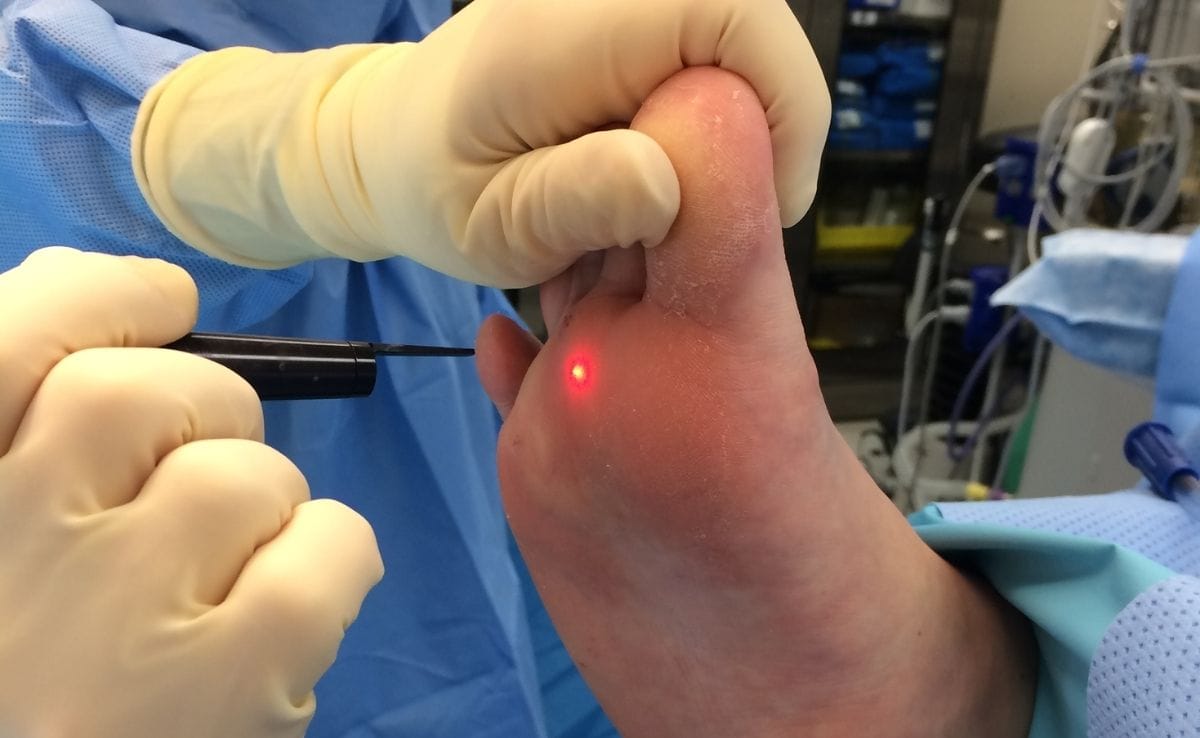
Medical wart removal at He Medical Clinic focuses on precision, safety, and discretion, using clinically controlled methods designed to remove wart tissue effectively while minimising pain, scarring, and recovery time.
Unlike over-the-counter solutions that work unpredictably, clinic-based treatment begins with proper assessment. This allows the doctor to confirm whether the lesion is a wart, determine its type, and decide which approach is most appropriate. For genital warts in particular, this step is critical because the skin is sensitive and the risk of complications is higher if treated incorrectly.
At He Medical Clinic, wart treatment is approached as a medical procedure rather than a cosmetic fix. The goal is not only to remove visible warts, but also to reduce recurrence by targeting infected tissue accurately and preserving healthy surrounding skin.
One of the primary treatment options available at He Medical Clinic is laser wart removal, a technique designed to remove warts with high precision. This method uses controlled energy to destroy wart tissue layer by layer, allowing the doctor to adjust depth based on the wart’s size and location.
Because the energy is focused directly on the wart, the surrounding skin is largely spared. This is particularly beneficial for genital warts, where traditional methods such as chemical agents or freezing may cause unnecessary irritation or prolonged healing. Patients typically undergo the procedure in a single session, and the treatment is performed in a private clinical setting.
Other medical treatments for warts include topical prescription medications, cryotherapy, and electrocautery. While these options may be effective in certain cases, they can require multiple sessions or irritate, especially in sensitive areas.
Laser-based removal stands out for its control and accuracy. Rather than relying on chemical reactions or freezing, the procedure allows the doctor to visually confirm complete wart removal during the session. This makes it particularly suitable for persistent warts or cases where previous treatments have failed.
Choosing the right method depends on the wart type, location, and patient comfort. At He Medical Clinic, while we only offer laser removal for genital warts, we highly encourage patients to explore other options of treatment to ensure that removal is both safe and appropriate.
Professional wart treatment is safer because it is based on accurate diagnosis and controlled removal, rather than guesswork. Many home remedies promoted online lack clinical evidence and can irritate or damage healthy skin, especially when used repeatedly or on sensitive areas. Misidentifying a skin growth is also common, which can delay proper treatment or worsen the condition.
In contrast, medical treatment at a clinic ensures the wart is correctly identified and removed using methods suited to its type and location. Often, patients tend to seek help after home treatments fail or cause discomfort because DIY approaches carry higher risks.
After wart removal, most people can expect mild discomfort, redness, or swelling in the treated area, which usually settles within a few days. Healing time depends on the wart’s size, location, and the removal method used, but procedures such as laser wart removal are designed to minimise tissue damage and allow the skin to recover more quickly.
Proper aftercare plays an important role in recovery and recurrence prevention. Keeping the area clean, avoiding unnecessary friction, and following medical advice helps reduce the risk of infection and scarring.

Warts can recur because HPV may remain in the skin even after visible lesions are removed, but recurrence risk can be reduced with proper medical follow-up and preventive care. Removing warts completely and early lowers the chance of the virus continuing to trigger new growths in the same area.
Prevention also involves addressing overall sexual and skin health. Monitoring for reinfection, practising safer sexual habits, and undergoing appropriate sexual health screening and STD testing help identify HPV-related concerns early.

 Chinese
  English
  Malay
Malay