


HPV diagnosis in men is usually made through clinical assessment and risk evaluation rather than a single test, and at He Medical Clinic, this process is supported by in-house rapid STD testing that helps doctors rule out other causes and identify HPV-related concerns early. Many men who come in are already searching for confidential STD testing in Malaysia because symptoms are unclear, a partner has raised concerns, or anxiety has set in after a recent encounter.
HPV is extremely common among men, yet it is also one of the most misunderstood infections. Unlike other STDs, there is no routine HPV screening test for men, which often leads to confusion about when to test, what tests actually do, and whether symptoms are even related to HPV at all.
Why HPV Is Harder to Diagnose in Men
No Routine Screening for HPV
One of the biggest challenges with HPV diagnosis in men is that there is no standard screening test equivalent to a Pap smear. Most men carry HPV without knowing it, and many infections clear naturally without causing symptoms. As a result, HPV in men is usually identified only when visible signs appear or when a partner is diagnosed.
This lack of routine screening does not mean HPV is rare in men. It means detection relies more heavily on clinical judgement, symptom evaluation, and excluding other infections that present in similar ways.
Common HPV Detection Options In Malaysia
The Problem With Screening Tests
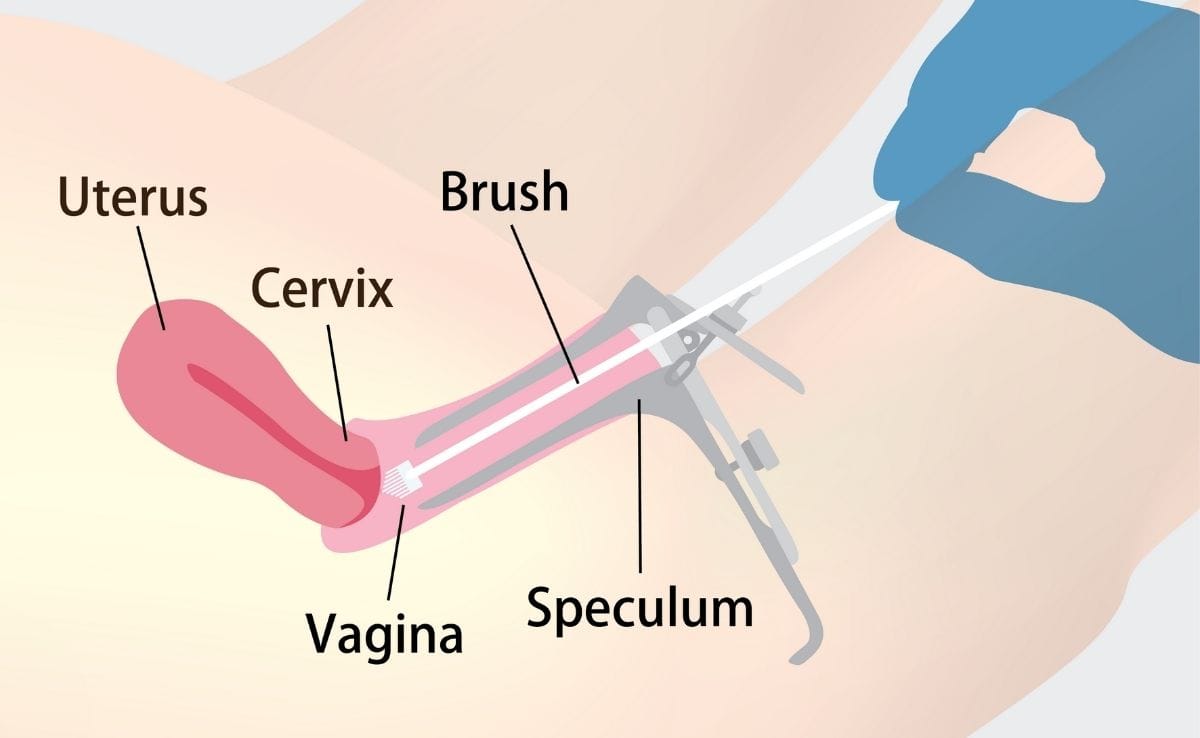
Formal HPV screening in Malaysia is primarily focused on women, usually through cervical screening methods like Pap smears or HPV DNA testing. These are designed to detect early cellular changes linked to high-risk HPV types, not to confirm the presence of HPV in every individual.
Because these tests are population-based screening tools rather than universal diagnostic tests, they are not routinely used for men or for people without specific risk indicators. This gap often leaves patients unsure of how to proceed when they suspect HPV but do not fall into standard screening categories.
Clinical Examination And Symptom-based Diagnosis
In Malaysia, HPV is often first suspected during a clinical examination rather than through a lab report. Doctors look for visible signs such as genital warts, skin changes, or lesions that are characteristic of HPV-related infection. In some cases, a rapid test kit may be required. This is especially relevant for men, where routine HPV screening does not exist and diagnosis relies heavily on what can be seen and assessed during consultation.
A proper examination also involves discussing symptoms that patients may not immediately associate with HPV, such as genital discomfort or anxiety-driven concerns after exposure. While many HPV infections cause no symptoms at all, visible changes are still one of the most direct ways HPV is identified in clinical practice.
How HPV Is Assessed at He Medical Clinic
In-house Rapid STD Testing
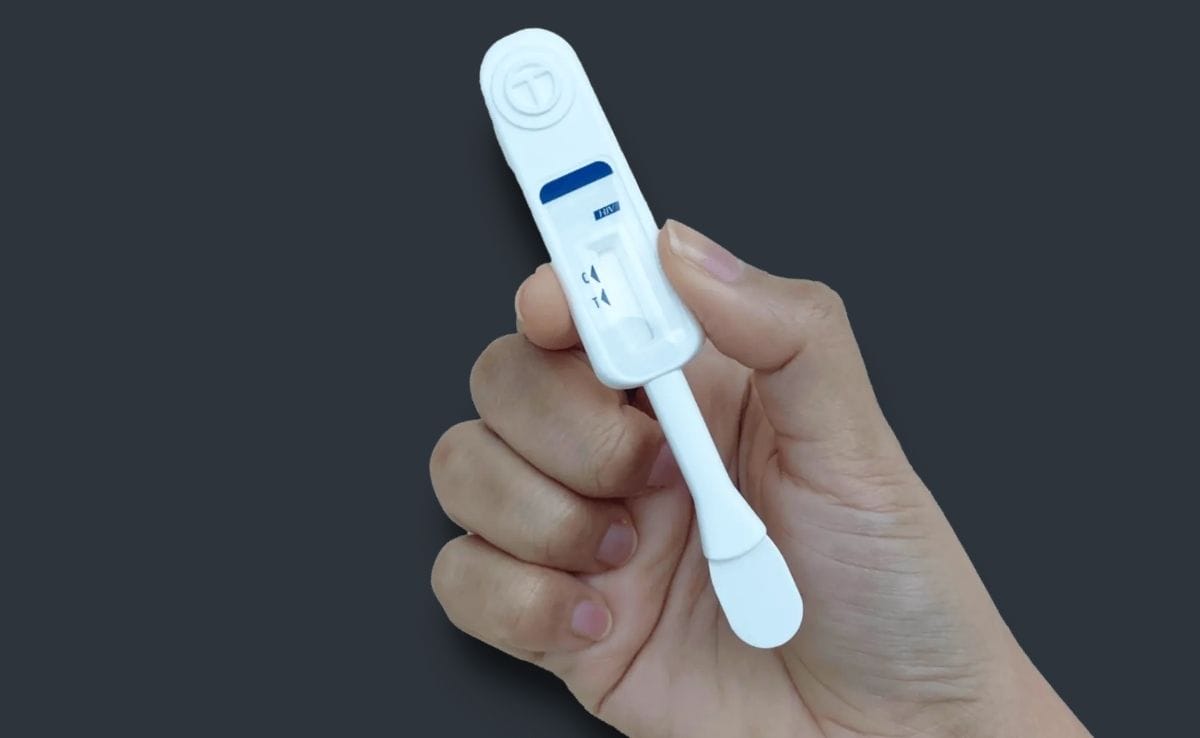
At He Medical Clinic, rapid STD test kits are used to support HPV assessment rather than to diagnose HPV directly. When men present with symptoms or concerns, doctors first evaluate whether those symptoms could be caused by other sexually transmitted infections that can be detected quickly.
Rapid testing helps identify or rule out infections such as chlamydia, gonorrhoea, syphilis, and HIV — all of which commonly affect men and can cause genital discomfort, discharge, or urinary symptoms. By excluding these conditions early, doctors can narrow down whether HPV is the likely explanation.
Because testing is done in-house, results are reviewed during the same visit, allowing doctors to explain what the results mean specifically for HPV risk rather than leaving men to interpret results on their own.
Clinical Examination And Symptom Review
For men with visible genital changes, diagnosis is often clinical. Genital warts, for example, are usually identified based on appearance rather than lab confirmation. During consultation, doctors also assess symptom patterns, duration, sexual history, and partner exposure to determine whether HPV is the most likely cause.
This combined approach helps avoid misdiagnosis and unnecessary treatment, especially in cases where HPV is blamed for symptoms that are actually unrelated.
Can HPV Cause Frequent Urination in Men?

Frequent urination is one of the most common reasons men worry about HPV, but HPV itself rarely affects the urinary tract. Symptoms such as burning, urgency, or discomfort are more commonly linked to infections like chlamydia or gonorrhoea, or to non-infectious conditions altogether.
At He Medical Clinic, rapid STD testing helps clarify this quickly. This prevents unnecessary anxiety and repeated testing driven by uncertainty.
How Long Do Test Results Take at He Medical Clinic?
In-house rapid STD testing at He Medical Clinic typically takes *around one hour from sample collection to results. This allows men to be assessed, tested, and counselled within a single visit, without waiting days for answers.
Same-visit results are particularly helpful for men, who often delay testing due to uncertainty or discomfort. Being able to discuss results immediately with a doctor makes it easier to understand what is happening and what to do next.
*One-hour turnaround is an estimate. Actual timing may vary based on clinic staffing, patient volume, and the complexity of individual cases.
He Medical Clinic Rapid Test Kits vs At-Home Test Kits
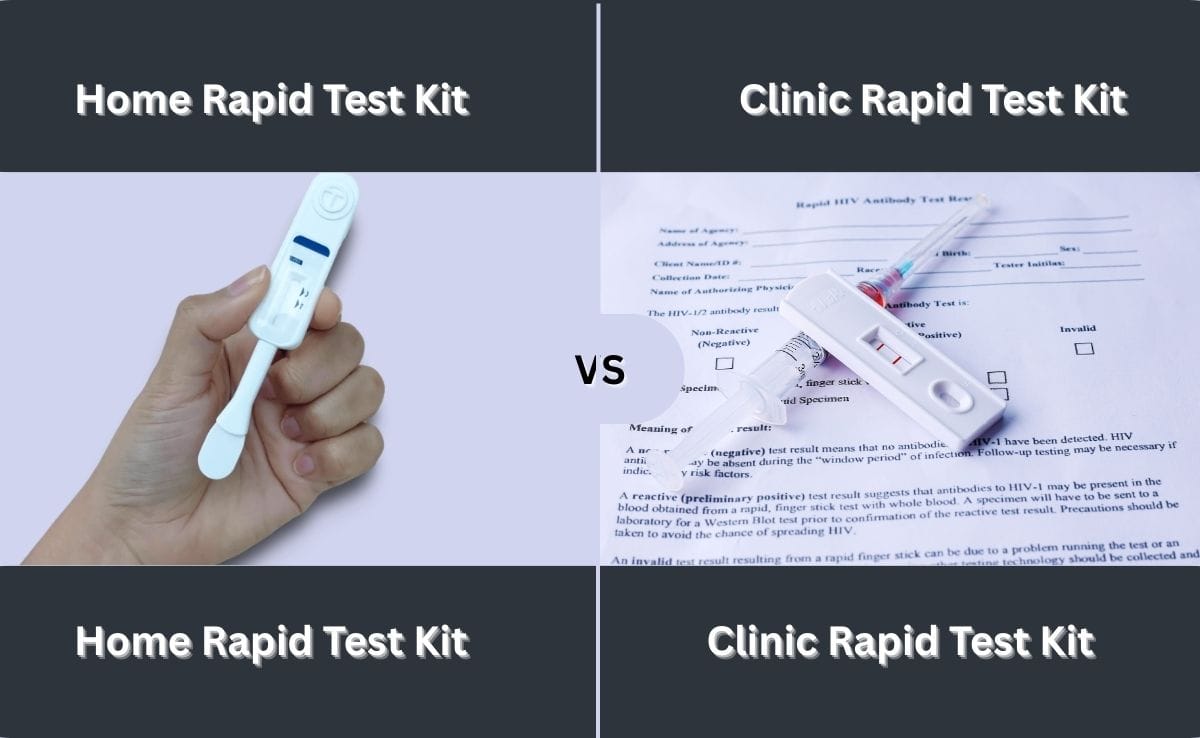
Condition | At-Home STD Test Kits | He Medical Clinic Rapid STD Testing |
HPV Testing Capability | Most kits cannot test for HPV directly and focus on other STDs | Testing is assessed in the context of HPV risk, even when HPV-specific tests are not used |
Sample Collection | Self-collected, higher risk of improper technique | Collected correctly by trained medical professionals |
Testing Conditions | Variable, uncontrolled home environment | Controlled clinical setting |
Result Interpretation | Results viewed in isolation by the patient | Results interpreted by clinicians alongside symptoms, physical findings, and risk factors |
Medical Supervision | None during testing or result review | Full medical oversight throughout the process |
Aftercare | No built-in pathway for clarification or next steps | Clear pathway for explanation, follow-up, and further investigation |
Can HPV Go Away on Its Own After Diagnosis?
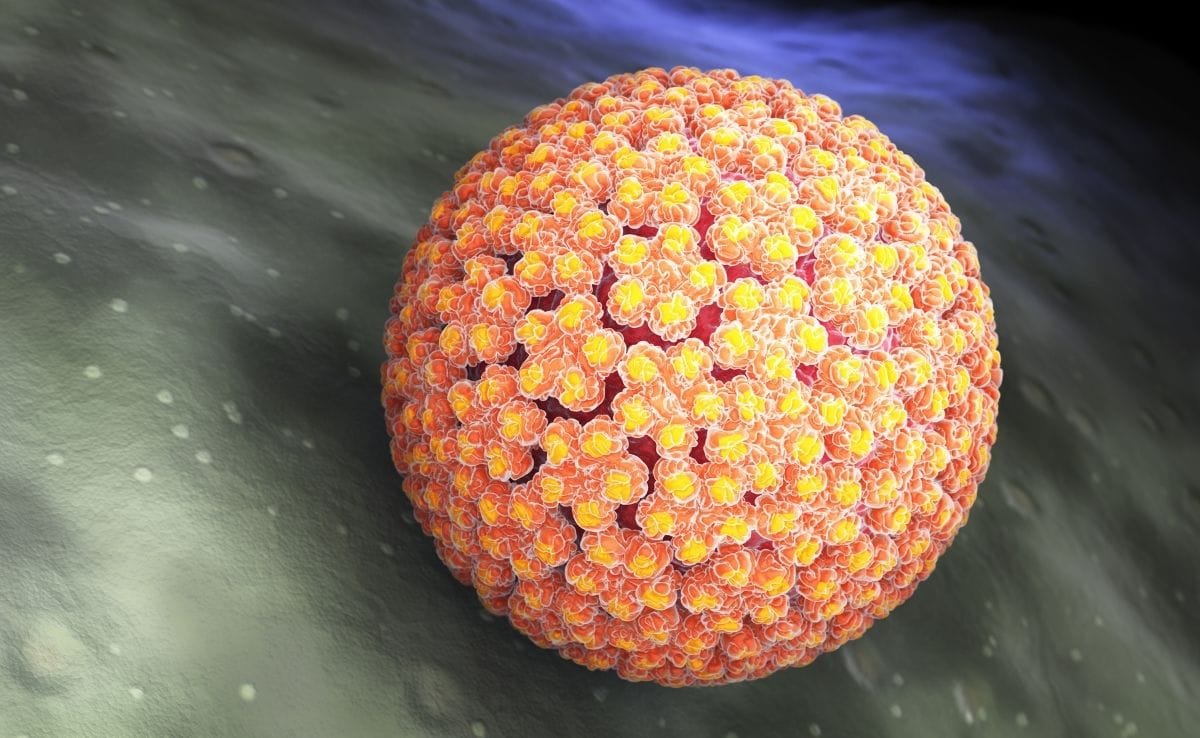
Most HPV infections in both men and women are cleared naturally by the immune system within one to two years without causing long-term health problems. The difference is not how the virus behaves in men versus women, but how easily it is detected. Because men do not have routine HPV screening, infections in men often go unnoticed unless symptoms such as genital warts appear or a partner is diagnosed.
At He Medical Clinic, our rapid STD test results help doctors decide whether monitoring is appropriate or whether further action is needed. When rapid tests rule out other sexually transmitted infections and no concerning HPV-related changes are found during examination, patients are often advised to observe and monitor rather than pursue aggressive testing or treatment. This avoids unnecessary medical intervention while still keeping patient safety in focus.
On the other hand, if rapid testing or clinical findings suggest a higher risk, such as persistent symptoms, visible lesions, or a history that increases cancer risk, doctors may recommend closer follow-up or additional screening. The key distinction is that decisions are based on a combination of test results and clinical judgement, not on the assumption that HPV always needs to be “treated.”
Do Men Need the HPV Vaccine After Rapid STD Testing?
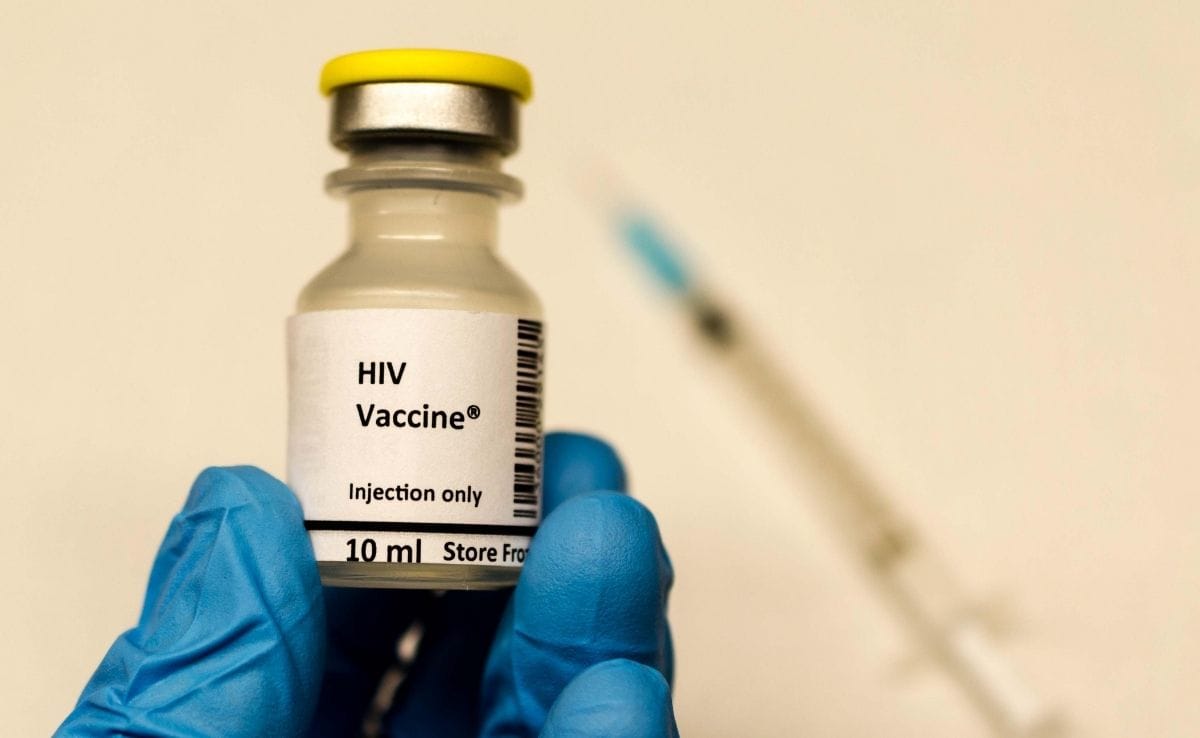
Many men assume the HPV vaccine is only relevant before becoming sexually active, or that it is unnecessary once they have been tested. In reality, vaccination decisions are still relevant for adult men, even after rapid STD testing or possible HPV exposure.
At He Medical Clinic, vaccination advice is given after reviewing rapid test results, clinical findings, and individual risk factors. A normal rapid STD test does not mean a person has never been exposed to HPV, and it also does not protect against future exposure. Because the HPV vaccine covers multiple strains, including high-risk types linked to cancer and low-risk types that cause warts, vaccination can still offer meaningful protection even if someone has encountered HPV before.
For sexually active men who have new or multiple partners, or are concerned about transmitting HPV to partners, vaccination is often discussed as part of a broader prevention strategy. Rapid testing helps clarify the current situation, while vaccination focuses on reducing future risk rather than treating an existing infection.
When Referral or Advanced Screening Is Recommended
In some cases, testing at He Medical Clinic is only the first step. If symptoms persist, findings raise concern, or a patient falls into a higher-risk category, doctors may recommend further screening or referral to appropriate specialists.
Because rapid testing and consultation happen together, referrals are made based on medical need rather than routine escalation. Patients are informed why further testing is recommended and what it is meant to clarify, helping them make informed decisions rather than feeling pressured into unnecessary procedures.



 Chinese
  English
  Malay
Malay