

0%
Loading ...


HPV infection in men is a common sexually transmitted viral infection that often shows no symptoms, usually clears on its own, but can sometimes cause genital warts or lead to serious health complications if left unmanaged.
In Malaysia, many men only discover HPV incidentally during routine sexual health checks or when visible symptoms appear, which is why early STD screening and sexual health testing in Malaysia play a critical role in preventing long-term complications and onward transmission. Unlike infections that cause immediate discomfort, HPV tends to stay under the radar, making awareness and timely testing more important than most men realise.
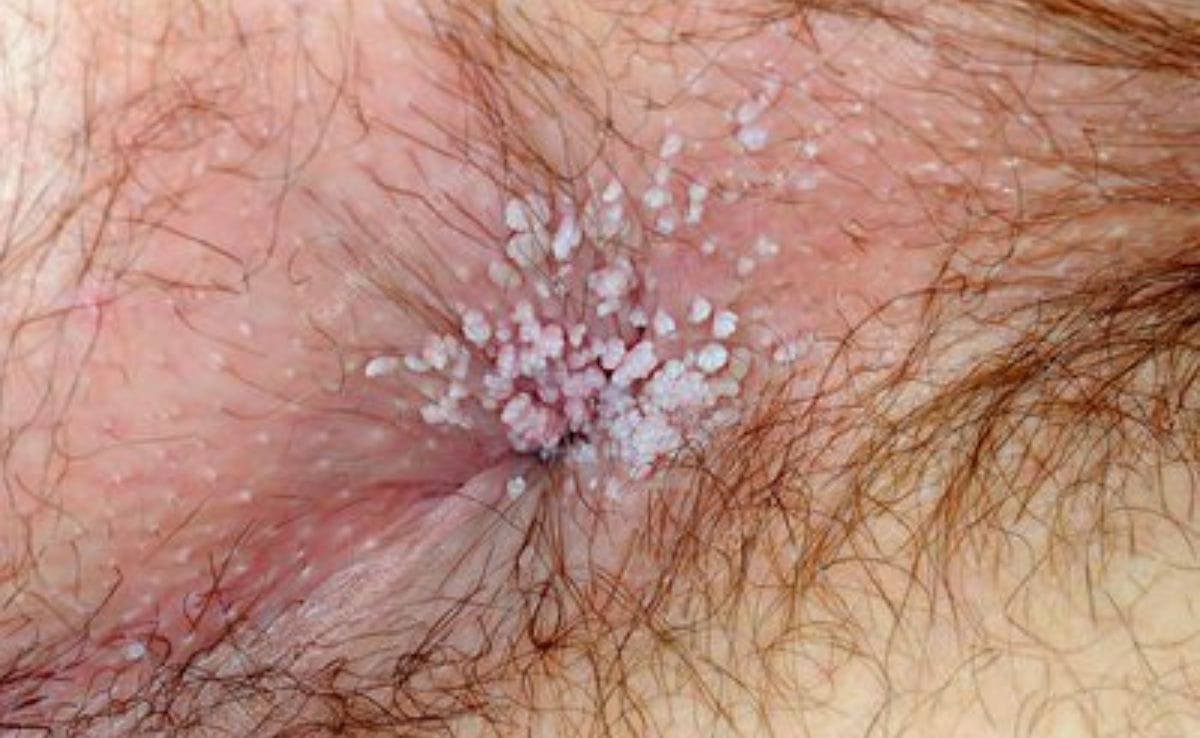
HPV, or human papillomavirus, refers to a large group of viruses that infect the skin and mucous membranes. Men can carry and transmit the virus even when they feel completely healthy. In men, HPV primarily affects the genital area, anus, mouth, and throat, depending on the type of exposure.
HPV is classified as a sexually transmitted disease because it spreads through intimate skin-to-skin contact, most commonly during vaginal, anal, or oral sex. It is also one of the most widespread STDs globally, with most sexually active men acquiring at least one strain at some point in their lifetime.
What makes HPV particularly tricky is that many men never develop visible symptoms, yet they can still pass the virus to partners unknowingly. This silent nature contributes to its high prevalence and explains why HPV continues to circulate even among people who practice safe sex. Medical bodies such as the World Health Organisation note that HPV infections are usually transient. Still, persistent infections with high-risk strains can lead to cancers affecting men, including anal and oropharyngeal cancer.

HPV is transmitted through close skin-to-skin contact, which means penetration is not required for the virus to spread. This is one of the main reasons HPV is so widespread among men, including those who believe they have a low risk of sexually transmitted infections.
HPV spreads when infected skin or mucous membranes come into contact with another person’s genital, anal, or oral area. While condoms significantly reduce the risk of many STDs, they do not cover all surrounding skin, which allows HPV to pass through areas that remain exposed during sexual activity.
This explains why men can contract HPV even when they consistently use protection and why the virus is not a sign of promiscuity or poor hygiene. According to the Centres for Disease Control and Prevention, HPV can be transmitted even when an infected person has no symptoms, making prevention challenging without vaccination and regular screening.
HPV can infect different parts of the body depending on the type of sexual contact involved. Oral sex may transmit HPV to the throat and mouth, anal sex can expose the anus and rectum to high-risk strains, and genital contact can lead to infections on the penis or surrounding skin.
Men who have multiple partners, engage in oral or anal sex, or have partners with unknown sexual health status may face a higher likelihood of exposure. This is why comprehensive sexual health screening, including services like an HIV test in Malaysia, is often recommended as part of a broader approach to sexual wellbeing rather than focusing on a single infection in isolation.
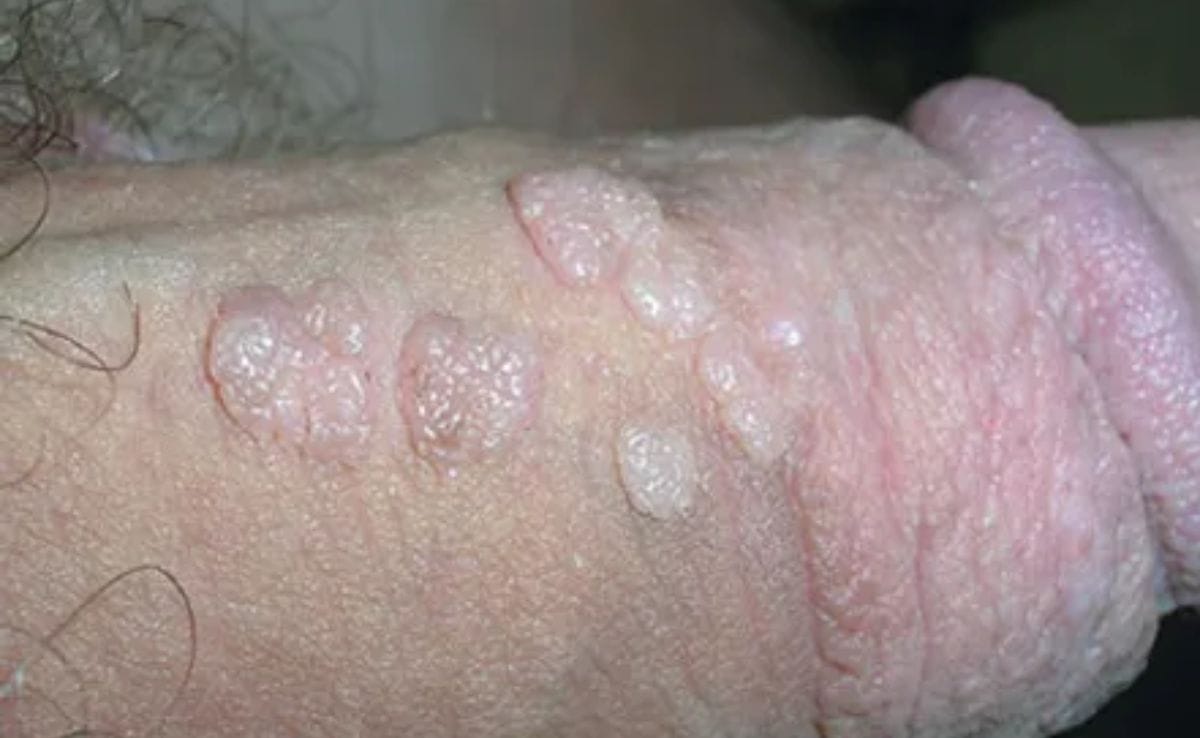
HPV in men can look very different from one person to another, and in many cases, no symptoms at all. This is why the infection often goes unnoticed until a partner is diagnosed or symptoms appear much later.
When HPV does cause visible changes, the most recognisable sign is genital warts. These may appear as small, flesh-coloured or grey growths on the penis, scrotum, groin, or around the anus. Some warts are raised and cauliflower-like, while others are flat and subtle, making them easy to overlook or mistake for skin tags or razor bumps.
However, not all HPV strains cause warts. Low-risk strains are typically responsible for visible lesions, while high-risk strains often cause no external symptoms at all. This means a man can carry a high-risk HPV infection for years without seeing any changes on his skin, even though the virus is active in the body.
HPV can also infect areas that are not easily visible, particularly the throat and anus. Oral HPV may not cause noticeable symptoms early on, but some men report persistent sore throat, hoarseness, or difficulty swallowing when complications develop. Anal HPV can be entirely symptomless or cause mild itching or discomfort that is easily dismissed.
Because these signs are vague and overlap with common, non-serious conditions, HPV-related changes are frequently missed without targeted examination. This is why clinicians often recommend broader sexual health screening or periodic health screening packages that assess overall risk rather than waiting for obvious symptoms to appear.

In most men, HPV does go away on its own as the immune system suppresses and clears the virus over time, often without the person ever realising they were infected. This natural clearance is the reason many HPV infections never lead to symptoms or long-term health problems.
Once HPV enters the body, the immune system usually recognises it as a foreign virus and works gradually to control it. For many men, this process takes several months to a couple of years, during which the virus becomes inactive and is no longer detectable. Medical studies referenced by the Centres for Disease Control and Prevention indicate that the majority of HPV infections resolve without treatment, especially in younger, otherwise healthy individuals.
During this period, men may still be able to transmit the virus, even though they feel well. This is why HPV is often spread unknowingly and why regular sexual health checks remain relevant even in the absence of symptoms.
In some cases, HPV does not clear completely and becomes persistent. This is more likely with high-risk HPV strains, older age, smoking, weakened immunity, or repeated exposure to the virus. Persistent HPV infections are the ones associated with complications such as recurrent genital warts or HPV-related cancers affecting the anus, penis, or throat.
Because there is no clear way to tell whether HPV has fully cleared without medical assessment, men with ongoing symptoms or higher risk profiles are often advised to monitor their sexual health more closely rather than assume the infection has resolved on its own.

HPV cannot be cured with medication, but in most men, the virus becomes inactive over time, and any symptoms or complications caused by HPV can be treated effectively. This distinction between “curing the virus” and “managing its effects” is often where confusion begins.
HPV behaves differently from bacterial infections that can be eliminated with antibiotics. Once the virus enters the body, there is currently no drug that directly removes it from infected cells. Instead, treatment focuses on addressing what HPV causes, such as genital warts or abnormal cell changes, while the immune system does the work of suppressing the virus itself.
For men who develop genital warts, medical treatments can remove visible lesions and reduce discomfort, even though the underlying virus may still be present temporarily. For high-risk HPV strains that do not cause visible symptoms, doctors focus on monitoring and early detection of potential complications rather than attempting to “cure” the infection outright.
Suppressing the effects of HPV, on the other hand, involves treating symptoms, reducing transmission risk, and preventing long-term damage. This may include removing warts, monitoring high-risk infections, and supporting overall immune health. Understanding this difference helps men make informed decisions about follow-up care instead of expecting a one-time cure.
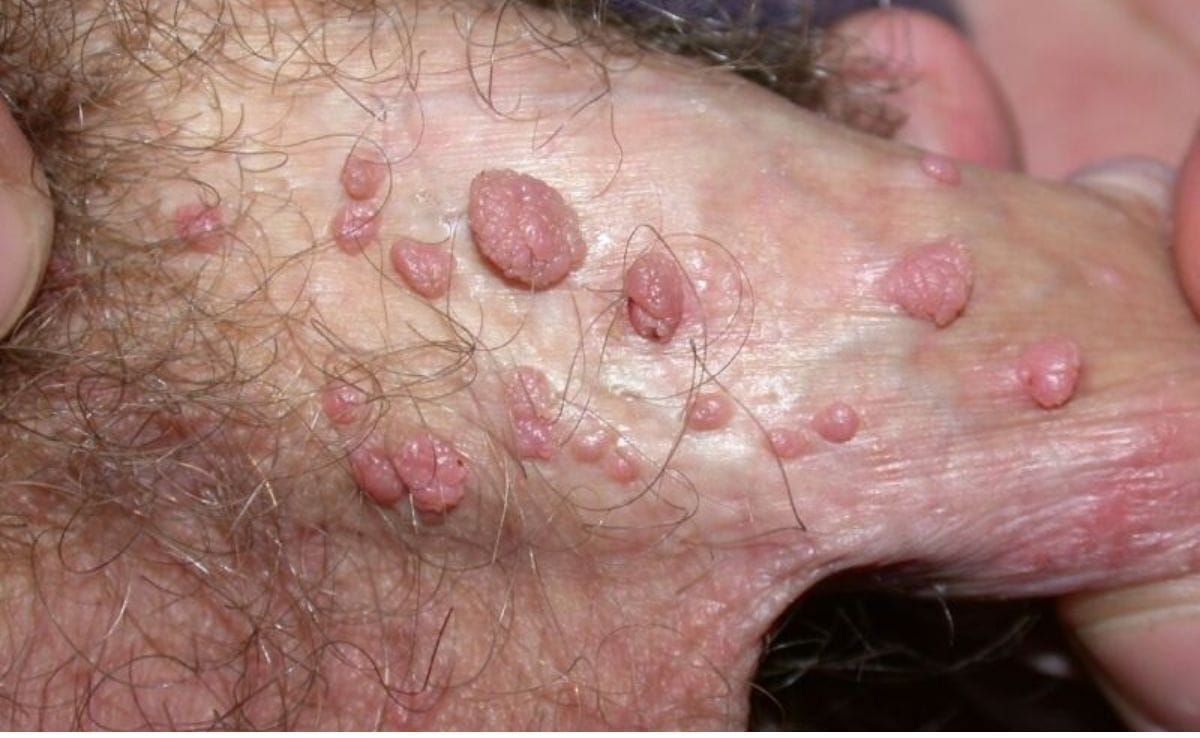
HPV testing for men is not routinely performed the same way it is for women, but it is still an important part of sexual health care for men with symptoms, higher risk exposure, or concerns about transmission. In Malaysia, testing decisions are usually guided by clinical findings and individual risk factors rather than mass screening.
Doctors may recommend HPV-related testing for men who have visible genital warts, unexplained anal symptoms, persistent throat issues, or a history of high-risk sexual exposure. Men who have sex with men, those living with HIV, or individuals with weakened immune systems may also be advised to undergo closer monitoring due to a higher risk of persistent HPV infection.
Rather than testing every asymptomatic man for HPV, clinicians focus on identifying complications early and assessing overall sexual health risk. This approach aligns with guidance from bodies such as the Centres for Disease Control and Prevention, which notes that routine HPV testing in men is limited by how the virus behaves in the male body.
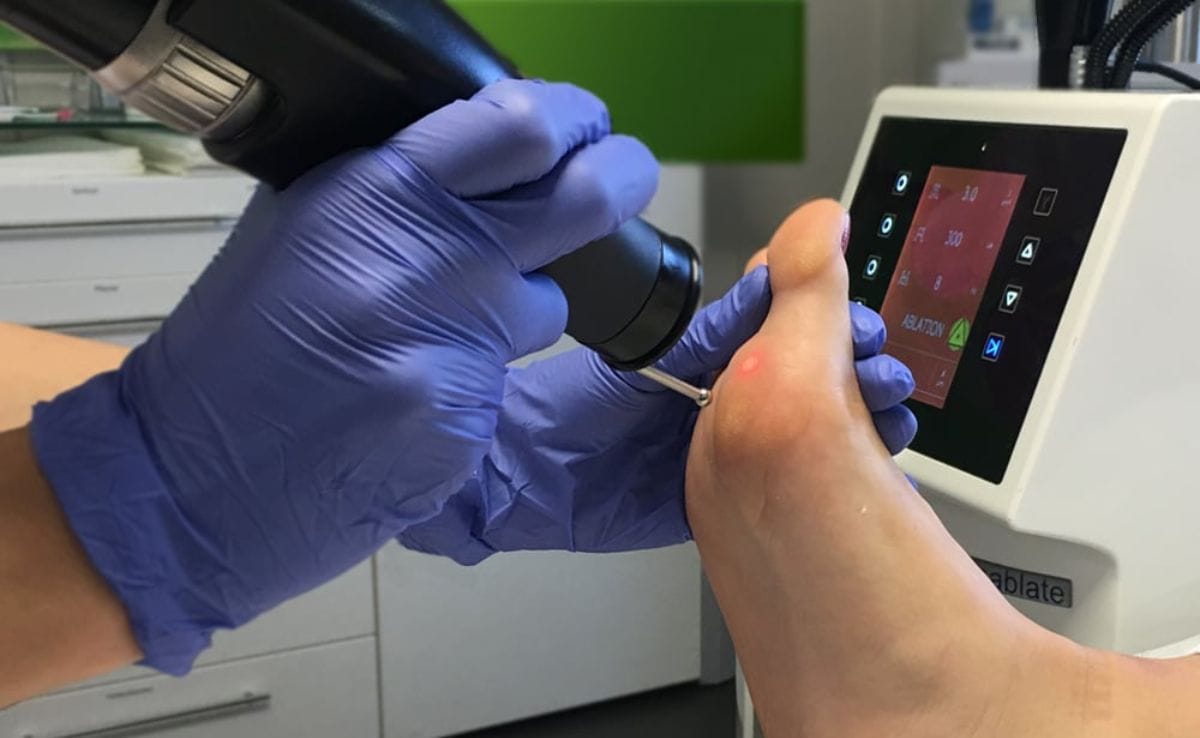
Treatment for HPV in men focuses on managing symptoms, reducing complications, and monitoring higher-risk infections rather than eliminating the virus itself. The approach depends on whether HPV is causing visible problems or remains silent but clinically relevant.
When HPV causes genital warts, treatment is aimed at removing the lesions and relieving discomfort. Doctors may use topical prescription medications, cryotherapy (freezing), cauterisation, or minor surgical procedures like laser removal at He Medical Clinic, depending on the size, number, and location of the warts. These treatments are generally effective at clearing visible warts, although recurrence can happen if the virus is still active.
It’s important to avoid home remedies or over-the-counter treatments not specifically designed for genital skin, as these can cause burns, scarring, or infection. Medical treatment ensures that warts are addressed safely while also allowing clinicians to assess whether further follow-up is needed.
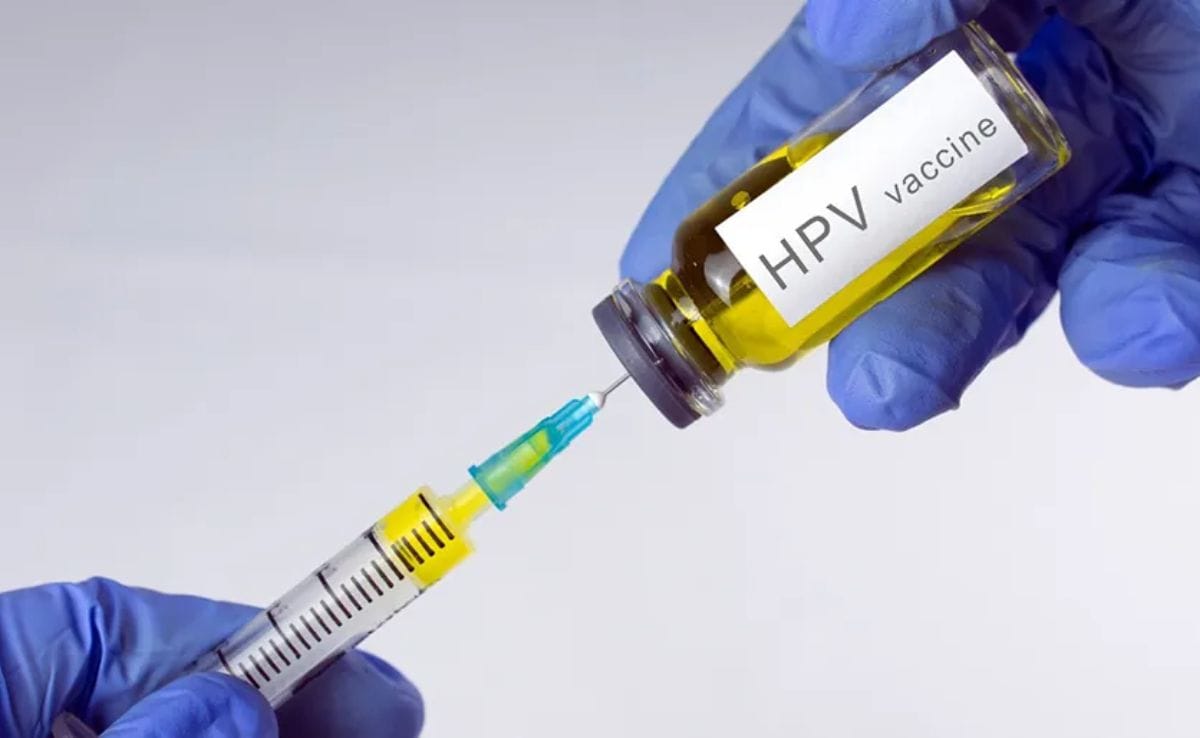
HPV vaccination is one of the most effective ways to reduce the risk of HPV-related diseases in men, even for those who are already sexually active. The vaccine does not treat existing infections, but it helps protect against the most common high-risk and low-risk HPV strains linked to warts and cancers.
The HPV vaccine is recommended for boys and men before they become sexually active, as it offers the strongest protection when given before exposure. However, adult men can still benefit from vaccination because it is unlikely that someone has been exposed to all HPV strains covered by the vaccine.
In Malaysia, the most commonly used vaccine protects against multiple high-risk strains associated with cancer, as well as low-risk strains that cause genital warts. Men who have multiple partners, are in new relationships, or want to reduce future HPV-related risks often choose vaccination as a preventive measure alongside regular sexual health checks.
Vaccination is also encouraged for men who have sex with men and those with compromised immune systems, as these groups face a higher risk of persistent HPV infection and related complications. While vaccination cannot guarantee complete protection, it significantly lowers the overall risk and is considered a key pillar of long-term sexual health prevention.


 Chinese
  English
  Malay
Malay