


Yes. Circumcising a baby significantly reduces future urinary tract infections, foreskin disease, hygiene complications, and certain sexually transmitted infections, while also lowering the lifetime risk of penile cancer.
Parents researching this decision often want professional pediatric care that balances safety, comfort, and long-term health. At He Medical Clinic, we provide full pediatric surgical treatment through a dedicated children’s circumcision service that follows international surgical protocols and painless standards.
What Circumcision Really Is and How the Procedure Works
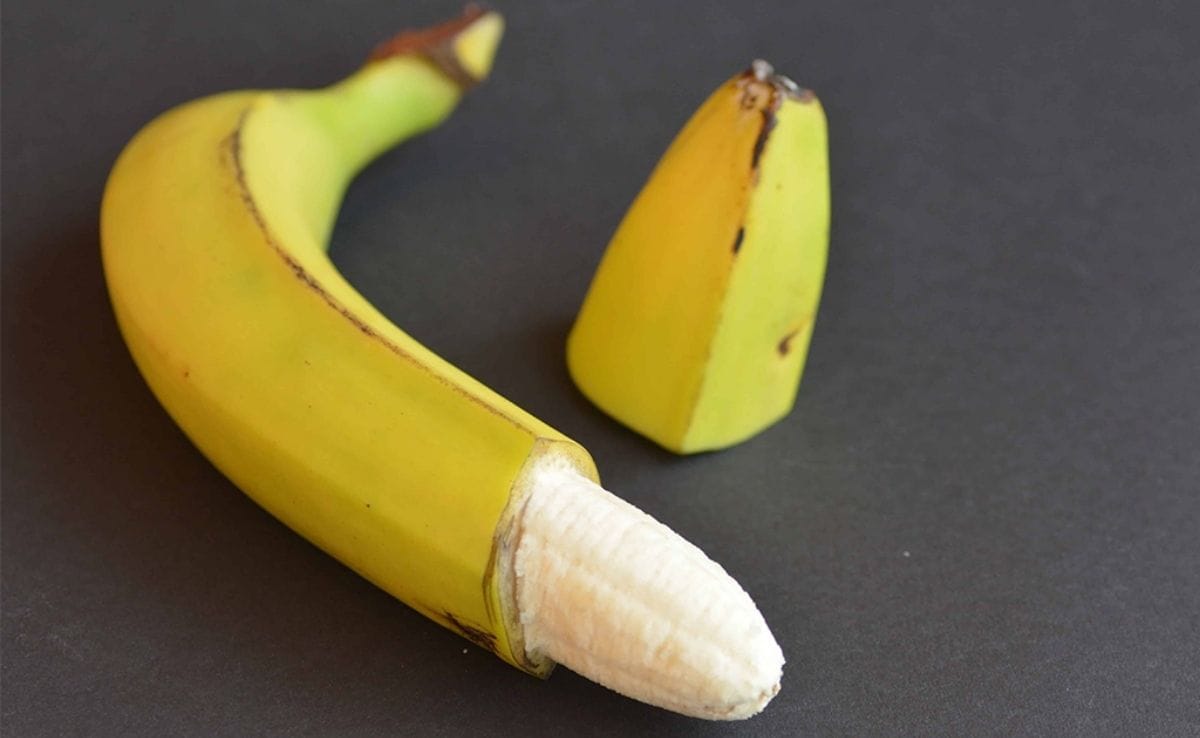
Circumcision Procedure Explained
Circumcision is a minor surgical procedure that removes the foreskin to expose the glans. The area is first numbed using a local anesthetic ring block. The foreskin is gently separated, removed using a surgical clamp or sterile cutting device, and the wound edges are carefully shaped to allow natural healing. The procedure usually takes under fifteen minutes.
Types of Circumcision Used For Babies And Children
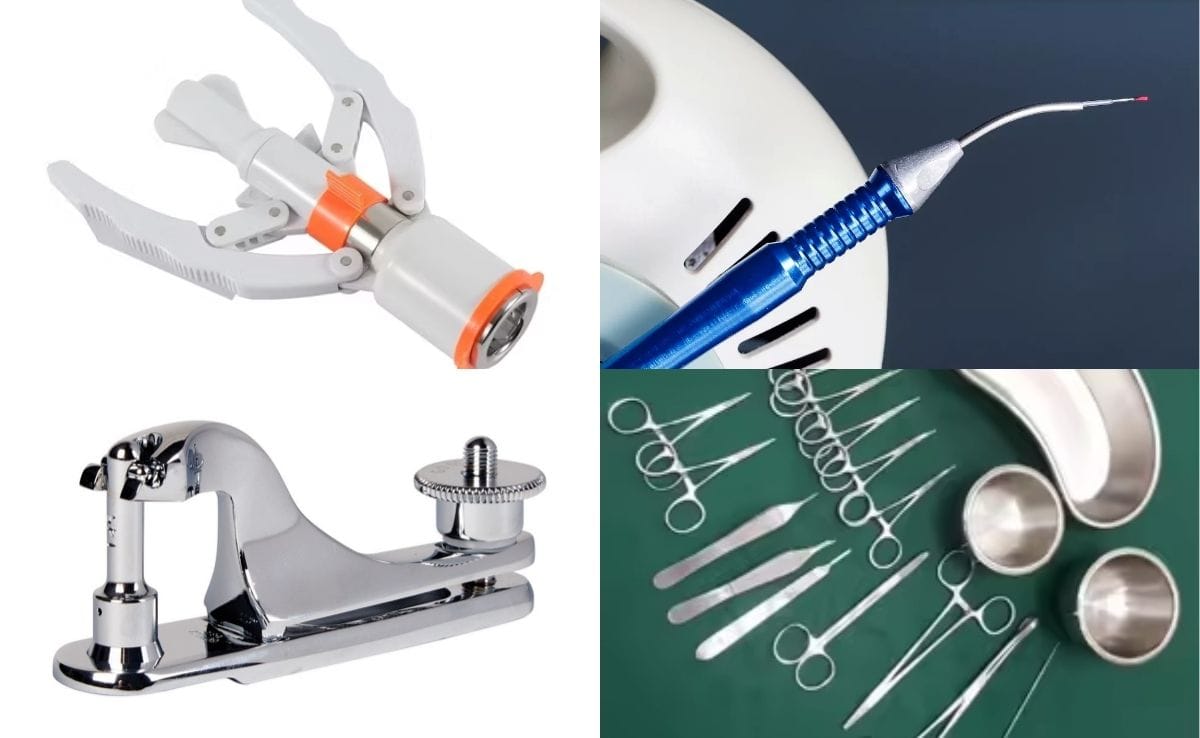
In Malaysia, medical circumcision is commonly performed using a stapler, laser, clamp, and traditional surgical methods, selected according to the child’s age, anatomy, and clinical needs. Do note that the same methods can also be applied to adults.
包皮吻合器环切发 (Stapler Circumcision)
Stapler circumcision uses a disposable surgical device that cuts and seals the foreskin at the same time. This allows consistent wound closure, minimal bleeding, and faster recovery. It is widely used for school-aged children due to predictable cosmetic outcomes and shorter operating time.
Laser Circumcision
Laser circumcision removes the foreskin using focused thermal energy. The laser cauterizes blood vessels during cutting, which reduces bleeding and swelling while creating a clean surgical margin. It is often chosen for children who require tighter bleeding control.
Clamp Circumcision
Clamp circumcision involves placing a medical clamp to compress blood vessels before foreskin removal. This method remains popular for infants because it lowers bleeding risk and allows natural separation of the foreskin during healing.
Traditional Surgical Circumcision
Traditional circumcision is performed using sterile surgical instruments under local anesthesia. This method allows precise reshaping of the foreskin margin and is commonly selected for children with anatomical variations or medical indications that require customized correction.
Circumcision Benefits Backed by Medical Evidence

Infection Prevention and Hygiene Advantages
Studies published by the Centers for Disease Control and Prevention show that circumcised males experience lower bacterial colonization under the foreskin, which reduces inflammation and chronic infections. Parents also find routine hygiene easier once foreskin care is no longer required.
Urinary Tract and Foreskin Disease Prevention
Circumcision reduces infant urinary tract infections by over 80 percent, according to data from the American Academy of Pediatrics. It also prevents foreskin conditions such as phimosis, balanitis, and paraphimosis.
Future Sexual Health and Fertility Considerations
Long-term research links circumcision to lower HIV acquisition, reduced HPV transmission, and lower cervical cancer risk in female partners. Fertility is not negatively affected when circumcision is performed under proper medical standards.
Common Short-Term Side Effects of Male Circumcision in Children
Children may experience mild swelling, redness, local tenderness, and small amounts of spotting during the first two to three days after circumcision. These reactions occur as part of the normal healing response and usually resolve without medical treatment when proper wound care is followed. Temporary discomfort during urination may also occur during the early healing phase.
Long-Term Risks And Circumcision Nerve Damage
Long-term complications in children are uncommon when circumcision is performed by trained medical practitioners. Possible risks include localized scarring, cosmetic irregularities, and, rarely, nerve irritation that may cause altered skin sensitivity. Documented circumcision nerve damage remains extremely rare and is most often associated with unlicensed or non-medical procedures rather than pediatric surgical care.
When Circumcision Should Not Be Done

Children With Active Medical Conditions
Children with bleeding disorders, congenital penile abnormalities, active skin infections, or uncontrolled systemic illness require specialist assessment before circumcision. In such cases, corrective treatment or stabilization must occur before any surgical intervention.
Premature Babies
Premature infants and medically fragile babies should reach appropriate weight, immune stability, and temperature regulation before circumcision is considered. Pediatric specialists determine readiness to ensure surgical safety and optimal healing.
Circumcision in Islam and Cultural Expectations

Is Circumcision Compulsory in Islam?
In Malaysia, circumcision is widely accepted as a necessary rite of passage for Muslim boys. From a Malay Muslim cultural perspective, circumcision is deeply intertwined with the value placed on ritual purity, reflecting the community’s shared emphasis on maintaining a state of cleanliness for worship. Because of this, most Malaysian Muslim families consider circumcision an essential religious responsibility rather than a discretionary medical procedure.
Recommended Age For Circumcision in Muslim Children
Circumcision is generally recommended during infancy or early childhood, as younger children experience faster healing and lower complication rates. In Malaysia, circumcision is often carried out between the ages of six and twelve, aligning with school holidays and community circumcision programs. Performing the procedure at a younger age also helps reduce anxiety, shortens recovery time, and allows children to return quickly to daily activities.
Medical Verdict: Is Circumcision the Right Choice for Your Baby?

From a medical and religious perspective, circumcision offers measurable protective health benefits when performed by trained pediatric professionals. For families seeking a safe and respectful experience, professional pediatric circumcision remains a highly recommended preventive healthcare step.



 Chinese
  English
  Malay
Malay